India Needs a Military Space Doctrine and Strategy
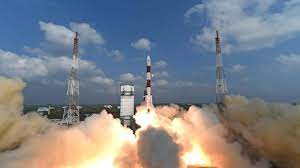
India’s successful Anti-Satellite Test showcased its capability to defend assets in Outer Space. Despite being a late entrant in the military space domain, private participation faces challenges due to confidentiality. The need for a “Military Space Doctrine” jointly formulated by the Armed Forces is emphasized for open-domain access. This doctrine would facilitate collaboration between the Military and Private sector, encouraging research and innovation aligned with STEM education goals. The upcoming DefSAT Conference in February 2024 is seen as an ideal platform to formulate a comprehensive “Military Space Strategy,” aligning with the Prime Minister’s Vision and involving various stakeholders under one roof.
Emerging Concerns in Near Space

Recent airspace violations and advancements in near-space capabilities have raised substantial concerns. Operating above 20 kilometers poses unique challenges, with historical examples like the SR-71 Blackbird highlighting the complexities. The emergence of steered balloons and other platforms at 40-45 kilometers altitude raises serious security issues. Unlike drones, countering these threats demands careful consideration. The focus on capability-building in near space must be complemented by proactive efforts to develop reliable countermeasures to safeguard national security.
MOSAIC Warfare: India’s Transformational Necessity
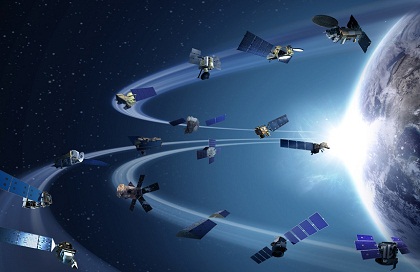
In “Mosaic Warfare: India’s Transformational Necessity,” Lt Gen PJS Pannu discusses the imperative for India to evolve its military capabilities in response to challenges posed by its nuclear-armed neighbors, China and Pakistan. The article underscores the need for a comprehensive transformation, integrating land, air, and sea domains with space, cyber, and digital capabilities. Pannu introduces the concept of Mosaic Warfare, adapted from DARPA’s model, advocating for a decision-centric approach. This involves creating adaptable, disaggregated forces through the integration of autonomous systems and AI, allowing for rapid composition and re-composition in response to evolving threats. The article emphasizes the significance of reimagining force design, command and control structures, and leveraging emerging technologies to enhance India’s military effectiveness and decision-making advantage in contested environments. The adoption of Mosaic Warfare is explored through insights from wargames and is seen as crucial for India’s future warfighting capabilities.
Drafting National Space Policy and Law

Def Sat 2024 will focus its deliberations on building space capabilities for the future, and discussions will likely be around military space capability required for India to be present and future ready. I will urge, therefore, that this is also an opportune time to focus attention on the requirement of a policy for national space activities and a statute to govern national space activities that will provide necessary regulatory certainty to progress the expansion of the national space programme as proposed in 2020.
Militarisation of Indian Space

In this evolving landscape, technological deterrence becomes the benchmark for security assurance. India’s security infrastructure must demonstrate cutting-edge technological capabilities to deter adversaries effectively. Technological superiority in science and technology acts as a crucial component of Comprehensive National Power (CNP).
Empowering Innovation and Planetary Protection in NewSpace Ventures
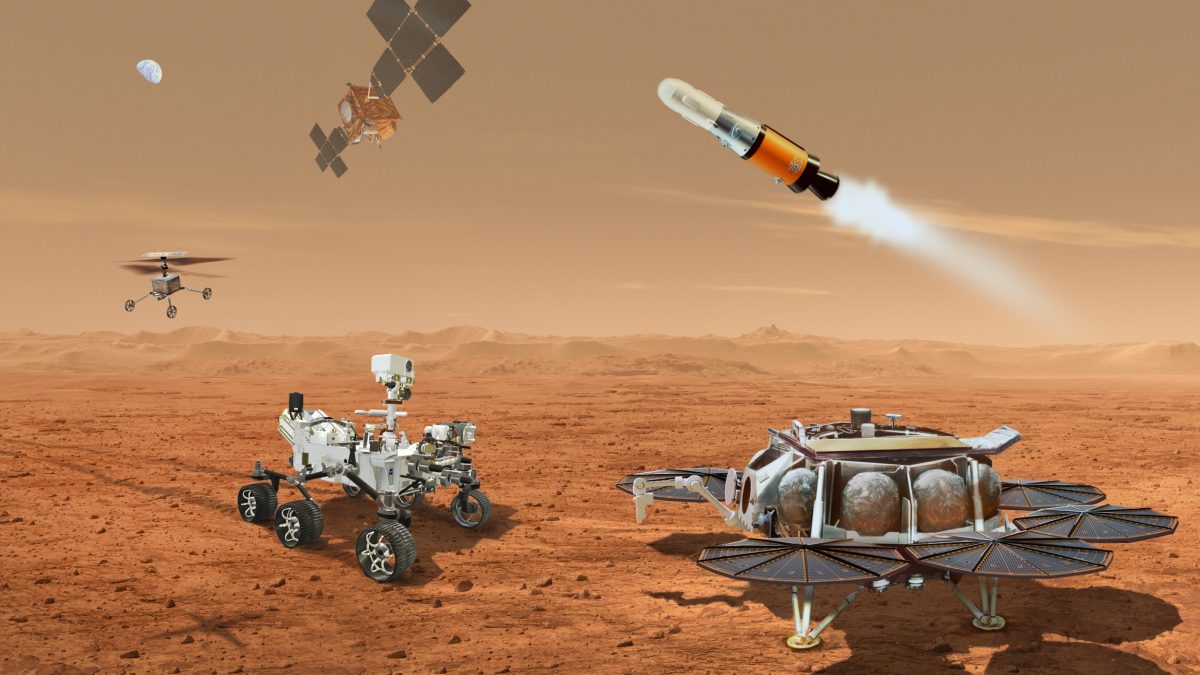
“As the NewSpace industry pushes the boundaries of space exploration, it must prioritize planetary protection to safeguard Earth from potential contamination by extraterrestrial materials. Ambitious plans for in-orbit experiments, cutting-edge platforms, and re-entry vehicles require navigating a complex regulatory landscape to prevent back contamination, and the bringing of hazardous space materials to Earth.”
Software Defined Radios in Space Applications
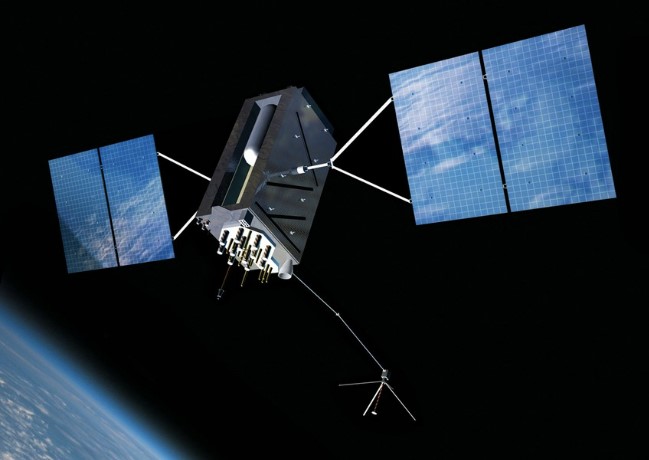
“Software-Defined Radios (SDRs) are a revolutionary piece of technology that have brought about significant changes in terrestrial communication systems. However, their impact goes beyond earth. The space industry has started to harness the power of SDRs for a variety of applications, from satellite communications to deep space exploration.”
The Odyssey of India’s Deep Tech Startups: Navigating a Path to Innovation
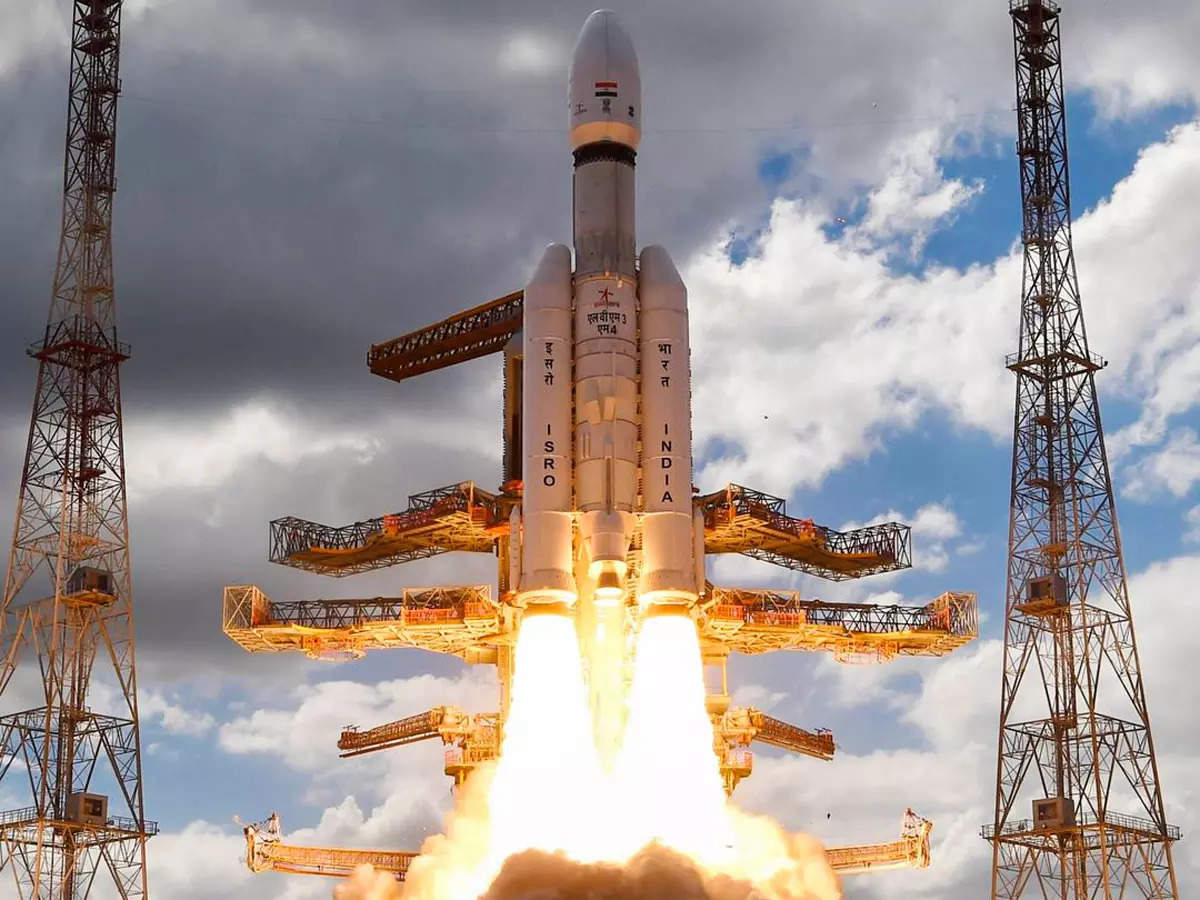
“In the bustling heart of India’s rapidly evolving space tech landscape, a transformative journey is currently underway. The Office of the Principal Scientific Adviser (PSA) to the Government of India has embarked on a visionary initiative—to craft a draft of the National Deep Tech Startup Policy. This policy is destined to be a game-changer, dedicated exclusively to deep-tech startups that are pushing the boundaries of innovation. Among those cheering for this groundbreaking endeavor is SIA-India, a space industry association that has long recognized the unique challenges and enormous potential of deep tech space startups.
The concept of a Draft National Deep Tech Startup Policy has emerged out of the understanding that deep tech startups operate in a league of their own. These startups delve into cutting-edge fields such as space technology, artificial intelligence, biotechnology, quantum computing, and more. Their endeavors are characterized by unique challenges and opportunities distinct from those in traditional startup domains. SIA-India has consistently advocated for such a specialized policy in various submissions and presentations, recognizing its significance in fostering an environment conducive to innovation within the space sector.”
Satellite Spectrum Allocation – Is Auction the Legal Mandate?
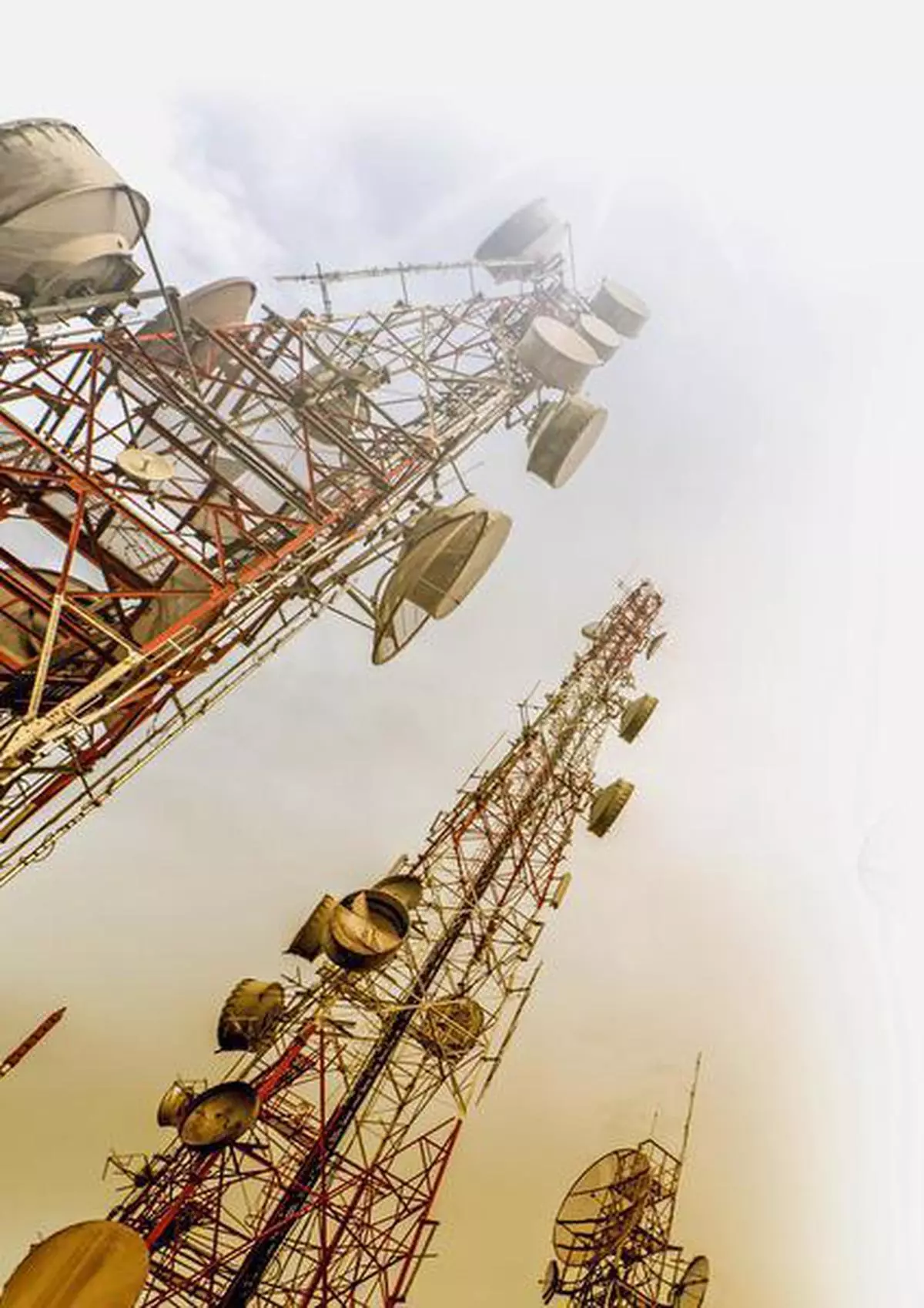
The debate over whether satellite spectrum should be auctioned or allocated through alternative means in India is a nuanced one. Drawing from past experiences in the telecom sector, where the 2G spectrum allocation led to legal battles and policy changes, there is no one-size-fits-all approach. The recent Presidential Reference underscores that auctioning is not an absolute mandate, and the method chosen should prioritize the common good, transparency, and fairness. In the case of satellite spectrum, it serves diverse purposes, including national security and public services, making the revenue-maximizing approach less relevant. The ultimate decision, whether through auction or administrative allocation, should align with India’s broader objectives and the principles of equitable distribution.
Navigating New Horizons: Welcome to Stellar Conversation Nexus
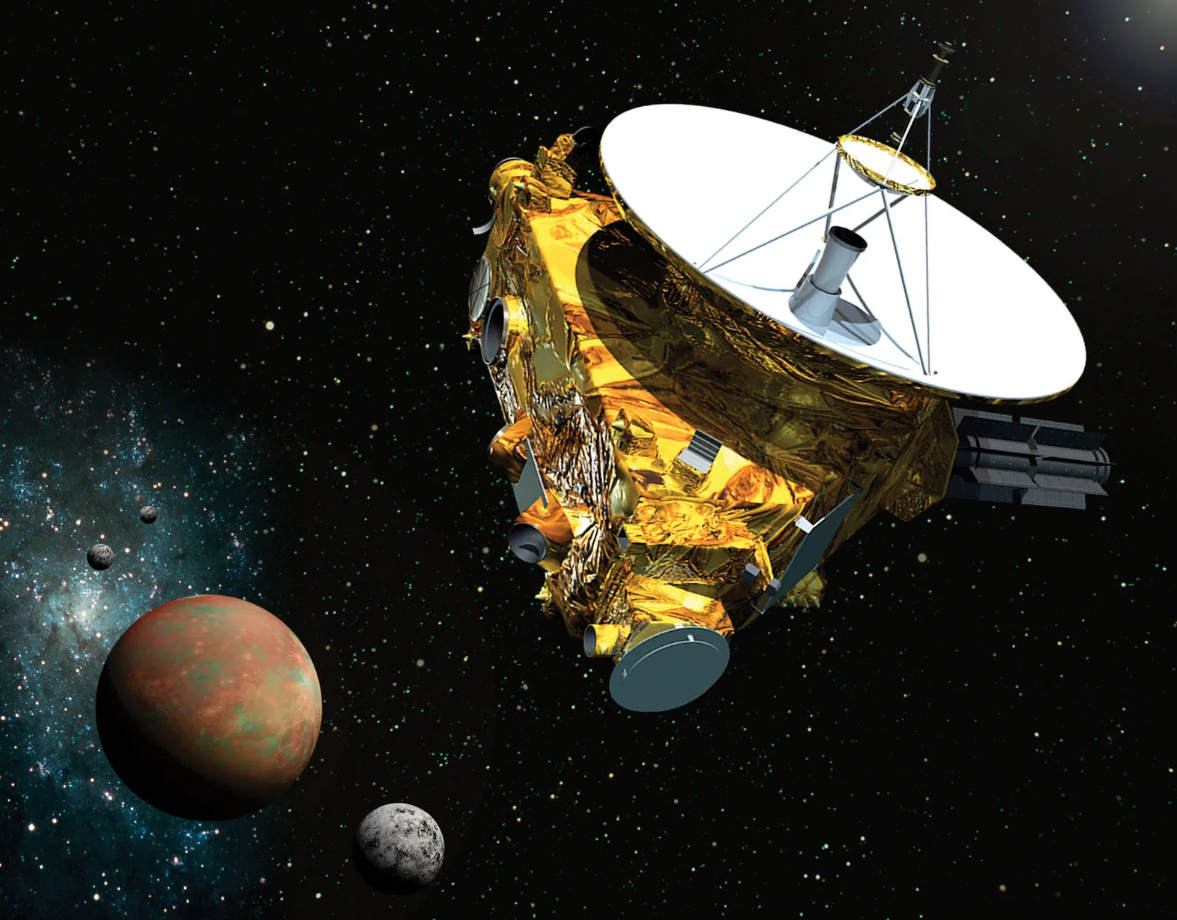
Esteemed members, industry leaders, and fellow advocates for the boundless possibilities of space commerce. It is my distinct privilege to stand at this juncture of an industry that is poised […]