Click Here to View online
version
|
|
|
SIA-India
Newsletter – October
|
|
|
|
|
India’s Space
Ecosystem: Advancing Innovation, Industry
Partnerships and Regulatory Clarity
|
|
|
SIA-India Strengthens UK–India Space Sector
Collaboration at Roundtable with Scotland’s
First Minister
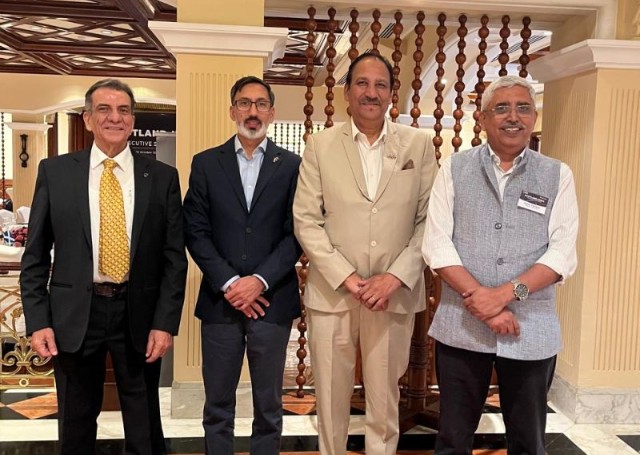
SIA-India continued to advance international
engagement for India’s private space
industry through a strategic interaction
held during a roundtable with the Rt Hon
John Swinney, First Minister of Scotland.
During the engagement, Mr Anil Prakash,
Director General, SIA-India, met Mr Harshbir
Sangha MBE FRSA, newly appointed Deputy High
Commissioner for Karnataka and HM Deputy
Trade Commissioner – South Asia
(Investment), British High Commission, to
explore opportunities for strengthening
cooperation between the UK and Indian space
ecosystems.
The
interaction provided an opportunity to
discuss avenues for deeper industry
engagement, collaboration and the
development of stronger partnerships between
the two space sectors. With India’s
commercial space ecosystem expanding across
satellite systems, launch services, Earth
observation, space applications and advanced
technologies, international engagement can
help create opportunities for technology
collaboration, market access, investment and
business development. The engagement
reflects SIA-India’s continued efforts to
facilitate international partnerships and
strengthen the global reach of India’s
private space industry.
To know more:
|
|
|
SIA-India Shares Industry Recommendations on
Draft Telecommunications Rules, 2026
|
|
|
|
|
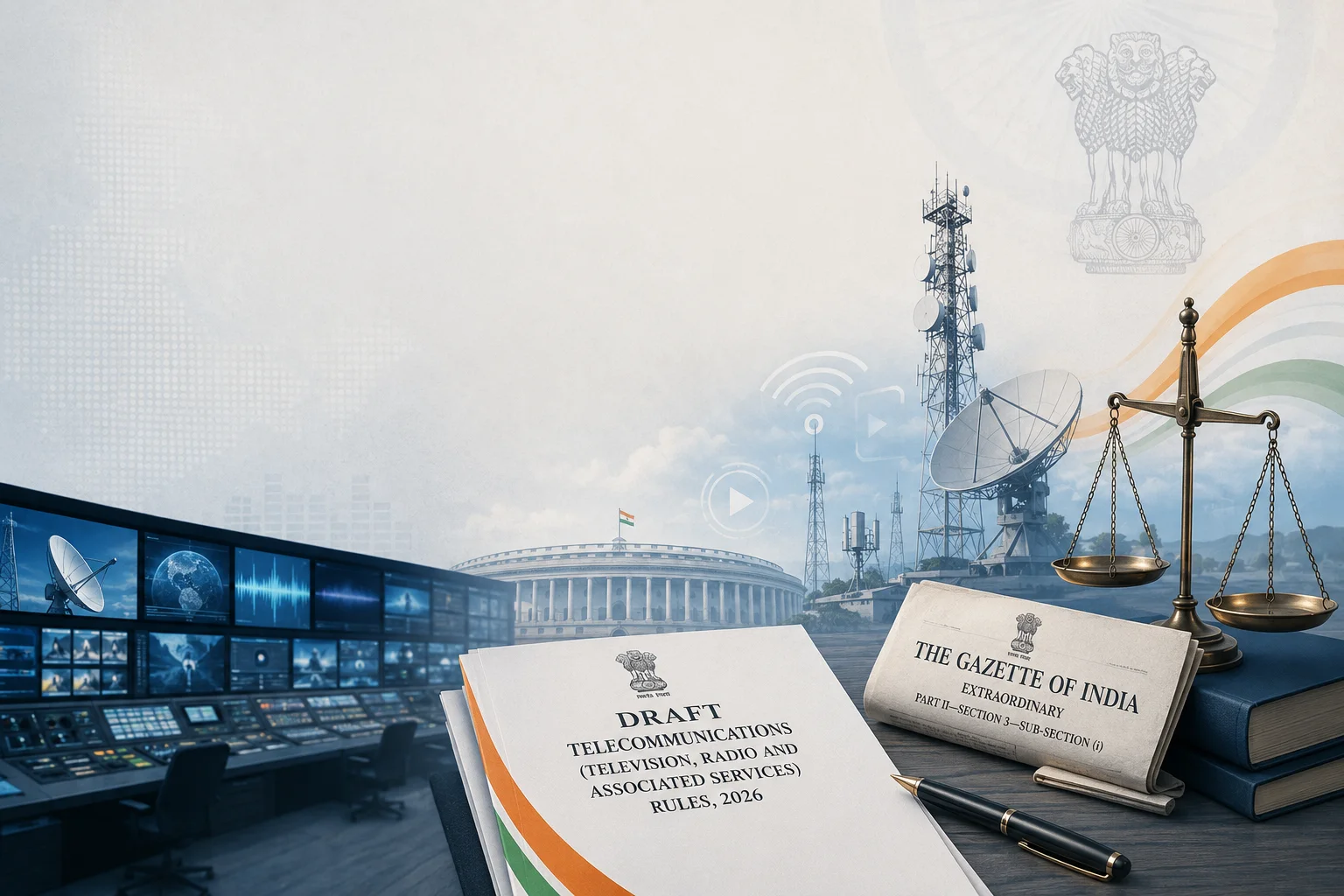
SIA-India welcomes the Draft
Telecommunications (Television, Radio and
Associated Services) Rules, 2026 as a
significant effort to consolidate the
regulatory framework for satellite
television channels, Direct-to-Home (DTH),
Headend-in-the-Sky (HITS) broadcasting,
private FM radio, community radio and
Internet Protocol Television (IPTV),
including the related uplinking and
downlinking guidelines. The Association has
shared industry-focused recommendations with
the Ministry of Information and Broadcasting
(MIB) and remains in regular communication
with the Ministry to help make the framework
practical, proportionate and
industry-friendly.
A key
recommendation is to retain the provision
allowing foreign television channels to
uplink through Indian teleports. Teleport
operators have made significant investments
in earth stations, monitoring and security
systems, and long-term satellite-capacity
contracts. Retaining this provision would
protect existing commitments, support
India's ambition to become an international
broadcasting and teleport hub and enable
foreign channels to use Indian
infrastructure for distribution. SIA-India
has also sought clear provisions for
IP-based feeds, backup feeds and the
operational requirements for channels whose
playout facilities are located outside
India.
To read our
submission, visit-
|
|
|
SIA-India and KPMG Undertake Industry
Consultation for Pre-Budget Memorandum 2027–28
|
|
|
|
|
SIA-India, in collaboration with KPMG, is
undertaking an industry-wide consultation to
prepare its Pre-Budget Memorandum for the
Union Budget 2027–28. The memorandum will be
submitted to the Ministry of Finance and
relevant line ministries to highlight the
key challenges faced by India’s space
industry and recommend targeted fiscal,
regulatory and policy interventions to
strengthen the sector’s growth and
competitiveness.
As
part of this exercise, SIA-India is seeking
inputs from companies across the Indian
space ecosystem on financial, taxation,
manufacturing, research and development,
procurement and market-access constraints,
alongside opportunities for domestic
capability development, investment and
commercialisation. Industry participants are
encouraged to provide specific, actionable
and evidence-based recommendations,
supported wherever possible by quantitative
estimates and examples demonstrating the
impact of existing challenges and the
expected outcomes of proposed interventions.
SIA-India is also engaging with relevant
ministries and government departments,
including the Department of Space (DoS), the
Indian Space Research Organisation (ISRO),
the Ministry of Earth Sciences (MoES), the
Ministry of Electronics and Information
Technology (MeitY), and the Indian National
Space Promotion and Authorisation Centre
(IN-SPACe). SIA-India invites its member
companies and other selected industry
stakeholders to complete the questionnaire
and share their inputs by 5th November 2026.
To fill the
questionnaire, visit -
|
|
|
Technology and Innovation
|
|
|
|
ISRO Conducts First Full-Scale Gas Generator
Ignition Test for LOX–Methane Engine
|
|
|
|
|
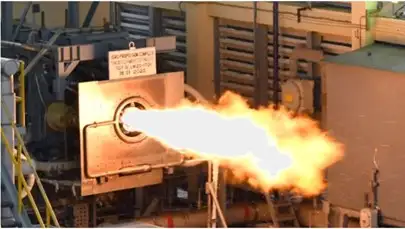
ISRO
conducted the first ignition test of the
full-scale gas generator for its developing
liquid oxygen–liquid methane (LOX–methane)
engine. LOX–methane propulsion is being
pursued for its potential suitability for
reusable launch systems and the prospect of
reduced residue and maintenance compared
with some conventional propellant
combinations. Further testing is required to
validate operating characteristics and
integrate the components into a full engine.
ISRO has targeted readiness of the
integrated LME1100 engine for mid-2027,
while design work on a higher-thrust
LOX–methane engine is also progressing. The
programme could support future
launch-vehicle architectures where
performance, reusability and manufacturing
efficiency are key priorities.
To Know More:
|
|
|
Aditya-L1 and Proba-3 Jointly Observe Solar
Eruptions Near Their Origin
|
|
|
|
|
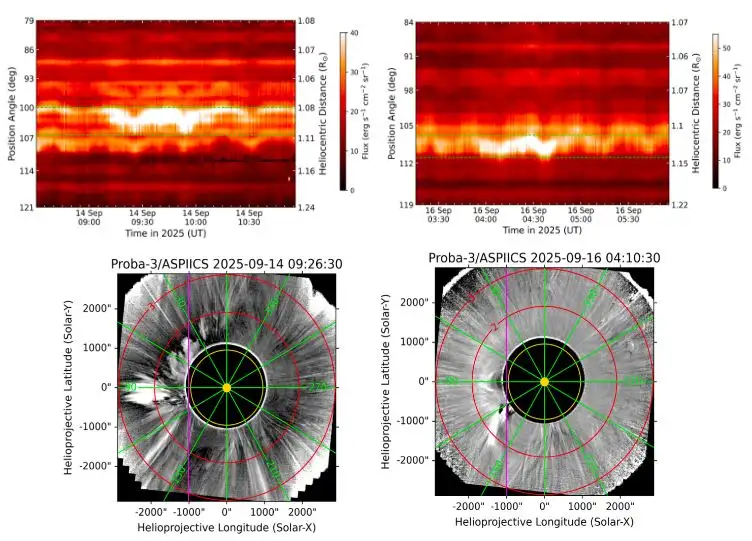
Scientists from the Indian Institute of
Astrophysics (IIA), Bengaluru, combined
observations from India’s Aditya-L1 mission
and Europe’s Proba-3 mission to study
coronal mass ejections (CMEs). The study
used the Visible Emission Line Coronagraph
(VELC) aboard Aditya-L1 and the ASPIICS
instrument aboard Proba-3. Observing the
same events from the two spacecraft allowed
researchers to examine the eruptions’ mass,
density and energy close to the Sun and gain
insight into the earliest stages of their
evolution.
CMEs
are large eruptions of magnetised plasma
that can disturb the near-Earth space
environment when directed towards our
planet. Their effects can include disruption
to satellites, navigation, communications
and other space-based infrastructure. The
results demonstrate how complementary
observations and international scientific
collaboration can strengthen understanding
of solar activity and contribute to the
development of space-weather monitoring and
forecasting.
To Know More:
|
|
|
ISRO Successfully Launches NVS-03 to Strengthen
NavIC
|
|
|
|
|
The
Indian Space Research Organisation (ISRO)
successfully launched the NVS-03 navigation
satellite aboard the GSLV-F18 on 30 October
2026 at 11:51 PM IST from the Second Launch
Pad at Satish Dhawan Space Centre,
Sriharikota. The 20th flight of India’s
Geosynchronous Satellite Launch Vehicle
(GSLV) successfully injected NVS-03 into a
Geosynchronous Transfer Orbit (GTO), marking
another milestone in strengthening India’s
indigenous Navigation with Indian
Constellation (NavIC) system.
NVS-03
is the third satellite in India’s
second-generation navigation satellite
series, designed to support continuity and
enhance the coverage, accuracy and
reliability of NavIC’s positioning,
navigation and timing services. The
satellite carries an indigenous atomic clock
alongside procured atomic clocks and
introduces the L1 signal in addition to the
existing L5 and S-band signals. These
capabilities are expected to improve
compatibility with widely used navigation
receivers and support services across India
and up to 1,500 km beyond its geopolitical
boundary.
Following the launch, ISRO completed the
first orbit-raising manoeuvre on 31 October
2026, with further manoeuvres planned to
place the satellite in its designated
geosynchronous orbital slot at 111.75° East.
The successful mission strengthens India's
strategic navigation infrastructure and
creates opportunities for Indian industry in
satellite receivers, navigation applications
and location-based services.
To Know More:
|
|
|
SIA-India Strengthens Global Industry Engagement
at AEROTEC 2026
|
|
|
|
|
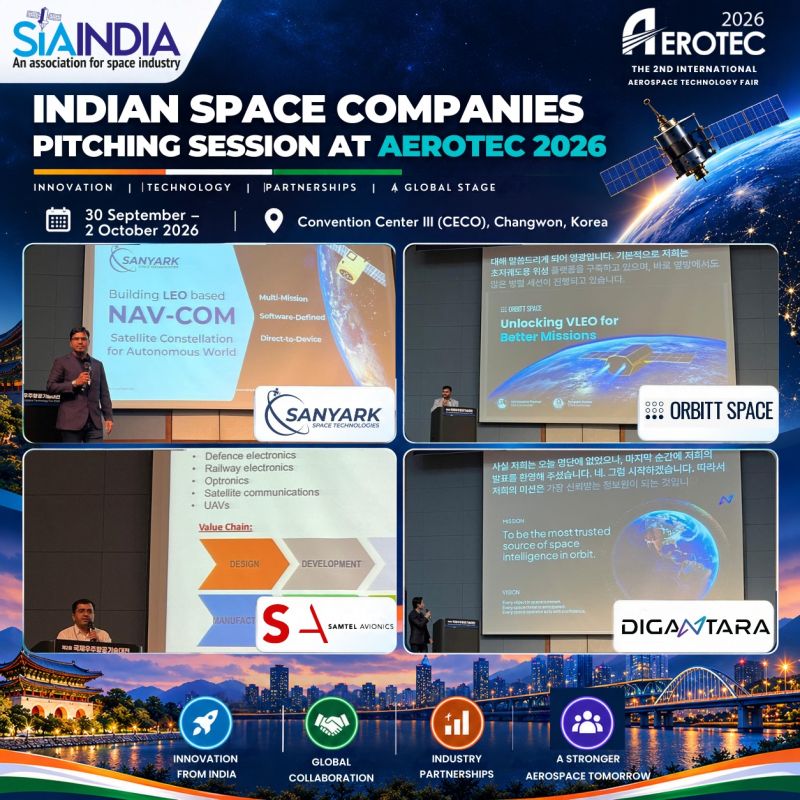
SIA-India facilitated the participation of
Indian space and aerospace companies at
AEROTEC 2026, the Second International
Aerospace Technology Fair, held from 30
September to 2 October in Changwon, Republic
of Korea. Through its Leading Exhibition
Access Programme (LEAP), the Association
supported Indian companies in showcasing
capabilities across satellite
communications, avionics, Earth observation,
manufacturing, space intelligence and
NewSpace technologies.
At the
Indian Space Companies Pitching Session,
Director General Anil Prakash presented
“India’s Space Economy: Building Capability
at Scale”. The session showcased distinct
capabilities across the Indian ecosystem:
Sanyark Space Technologies outlined its
vision for LEO-based navigation and
communications satellite constellations;
Samtel Avionics presented its work in
avionics, aerospace electronics and trusted
technology partnerships; Orbitt Space
highlighted opportunities for
very-low-Earth-orbit (VLEO) missions; and
Digantara presented its work in space
intelligence and orbital awareness. The
pitching session gave Indian companies a
platform to present their technologies to an
international audience and explore
partnerships, investment and market access.
The
event reflects SIA-India’s continued focus
on taking Indian industry to international
platforms and helping companies convert
technical capability into commercial
relationships and market access.
To Know More:
|
|
|
SIA-India Supports India–Japan Cooperation on
Space Debris Mitigation
|
|
|
|
|
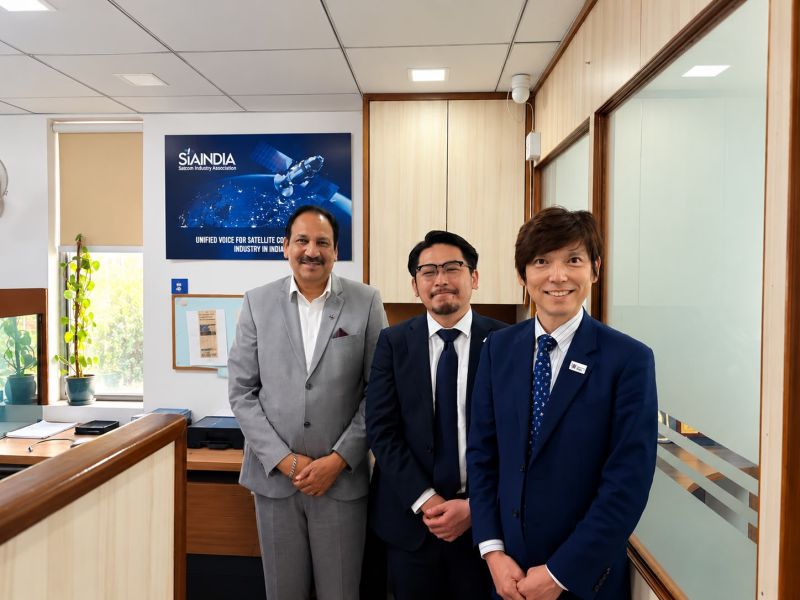
SIA-India continued its engagement on
India–Japan space cooperation following the
Memorandum of Understanding between
SIA-India member Samtel Avionics and Japan’s
BULL Co., Ltd. on space-debris mitigation.
On 15 October, BULL’s CEO visited Samtel
Avionics in Gurugram for discussions on
advancing the collaboration.
The
companies are exploring how BULL’s passive
post-mission disposal technology, HORN,
could be combined with Samtel’s expertise
and active debris-removal vehicle
technology. The discussions covered
technical interfaces, adaptation to
satellite platforms and removal vehicles,
and potential next steps for product
development and commercialisation.
To Know More:
|
|
|
Space Kalpana 2.0 Winners Announced During Young
Rocket Engineers Workshop
|
|
|
|
|
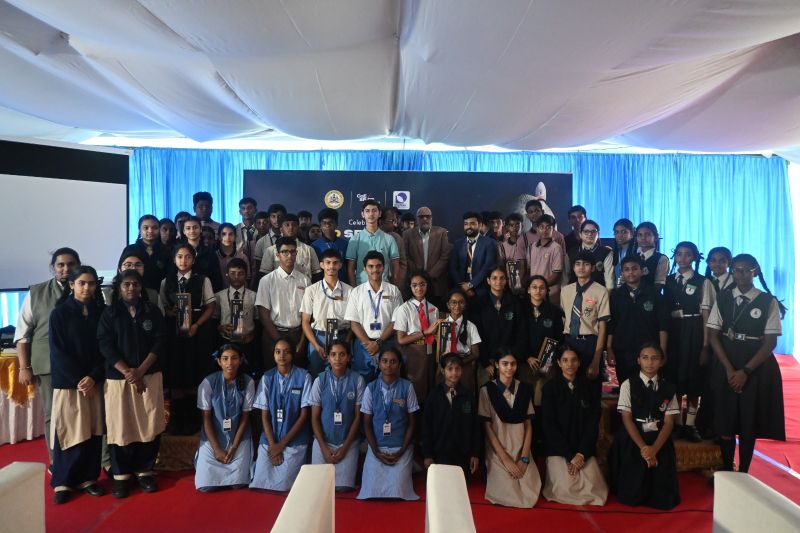
The
winners of Space Kalpana 2.0 – Mission 2047:
“Rocket Revolution”, jointly conducted by
SIA-India and CoE SpaceTech Foundation with
support from CERT-In, were announced during
the Young Rocket Engineers workshop on 9
October 2026. The full-day World Space Week
activity brought together approximately 45
students from four schools at the CoE
SpaceTech Foundation centre in Bengaluru.
The
challenge invited student teams to develop
launch-vehicle concepts and communicate
their mission, payload and innovation
through a short video pitch. The
junior-school winner was Team Centauri –
“Beyond Stars, Beyond Limits” from National
Public School, Mysuru; the senior-school
winner was Team TITAN-V from the National
Public School / NPS-NAFL school group; and
the undergraduate winner was Team Udbhav
from Vidyavardhaka College of Engineering.
The
workshop gave students a hands-on
opportunity to build and launch model
rockets, linking conceptual design with
practical experimentation. The initiative
reflects SIA-India’s focus on strengthening
the future talent pipeline and encouraging
young people to engage with India’s growing
space ecosystem.
To Know More:
|
|
|
TakeMe2Space Deploys MOI-1A, Advancing India’s
Orbital Computing Capabilities
|
|
|
|
|
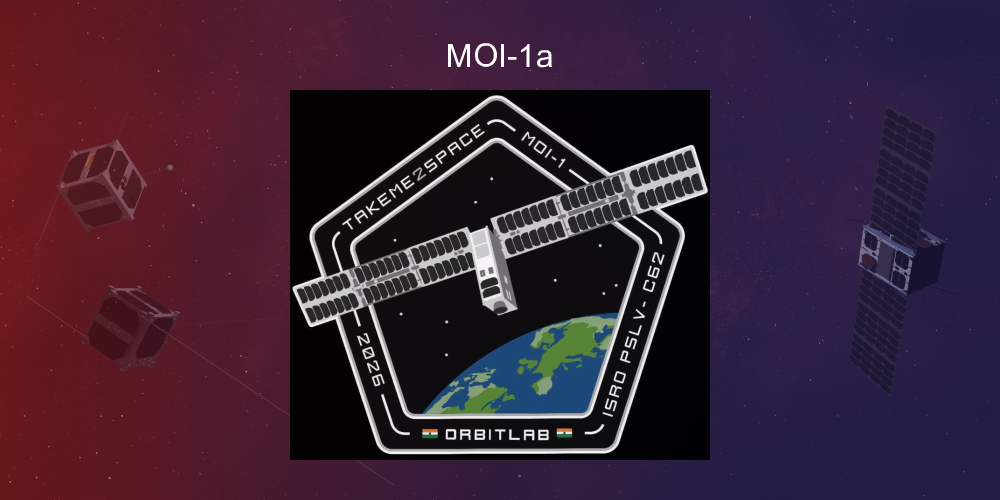
SIA –
India member, TakeMe2Space reached a
significant milestone with the deployment of
MOI-1A, its orbital computing satellite.
MOI-1A is designed to process
Earth-observation data directly in orbit
using onboard computing and artificial
intelligence. The 6U CubeSat combines a
multispectral imager with a reported 117
TOPS AI accelerator, enabling selected data
to be analysed onboard rather than sending
every raw image to Earth for processing.
This approach could reduce data-transfer
requirements and shorten the time between
observation and delivery of useful insights.
To know more:
|
|
|
Reflect Orbital Books Two Dedicated Launches
with Skyroot Aerospace
|
|
|
|
|
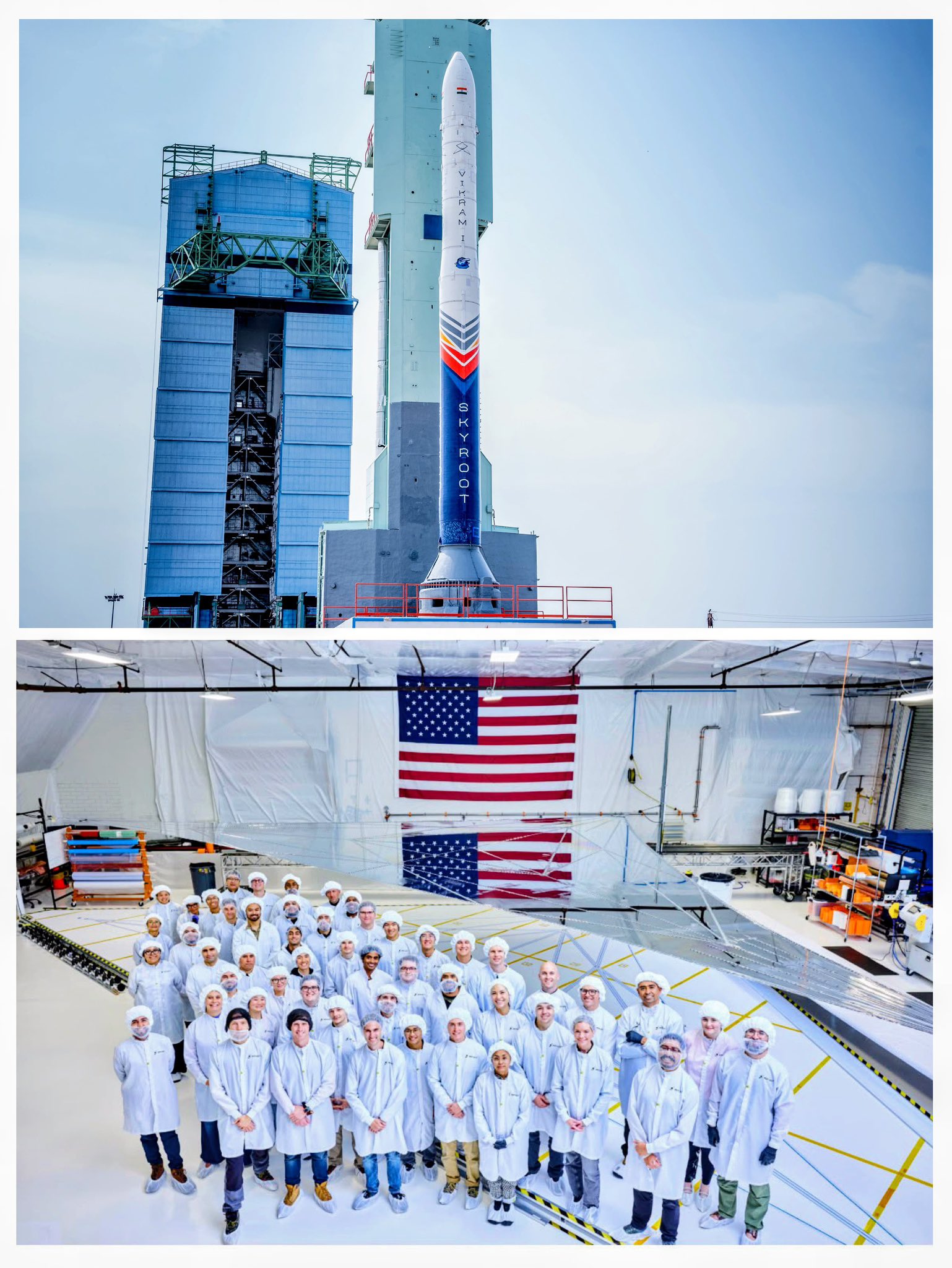
SIA-India member, Skyroot Aerospace has
secured an agreement with US-based Reflect
Orbital for two dedicated launches aboard
its Vikram rocket family. Reflect Orbital is
developing satellite systems designed to
redirect sunlight towards selected locations
on Earth, an approach intended to provide
targeted illumination after sunset. The
proposed service has been discussed in
connection with applications such as
extending daylight for outdoor work,
supporting search-and-rescue operations and
providing additional illumination for
selected activities.
To know more:
|
|
|
LAMHAS Satellite Services and Canada’s RSAT
Explore Earth-Observation Collaboration
|
|
|
|
|
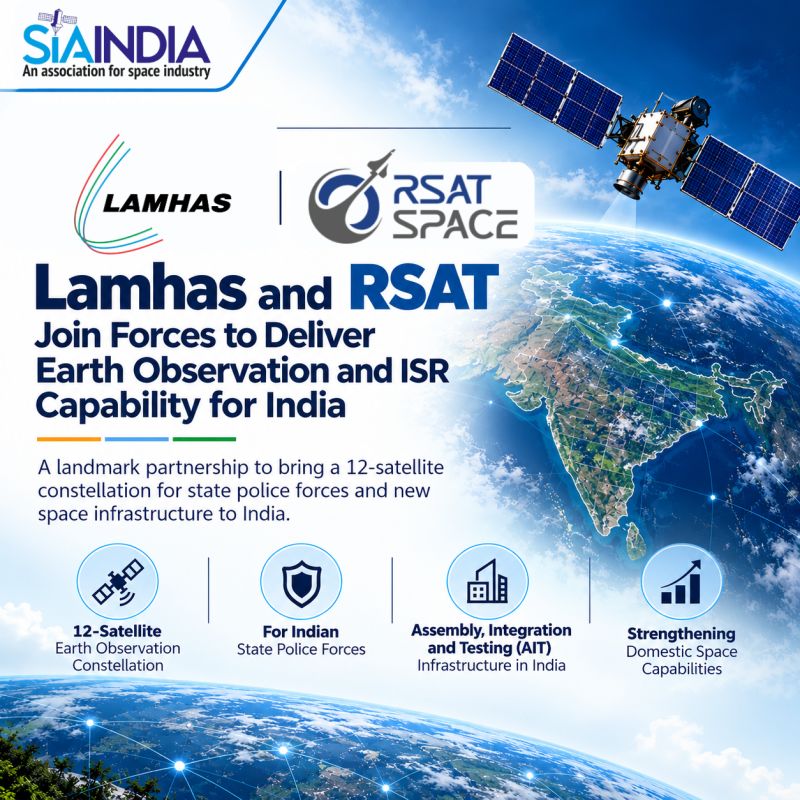
SIA-India member LAMHAS Satellite Services
Ltd. (LSSL) has announced an upcoming
collaboration with Canada’s RSAT to explore
Earth-observation (EO) and intelligence,
surveillance and reconnaissance (ISR)
capabilities for India. The proposal
includes an initial 12-satellite
Earth-observation constellation dedicated to
Indian state police forces, together with
plans to establish Assembly, Integration and
Testing (AIT) infrastructure in India. If
taken forward, the proposed capabilities
could support more responsive access to
satellite-derived information for
public-safety applications.
To know more:
|
|
|
Manastu Space Receives ₹116 Crore RDI Support
for Indigenous Green Propulsion
|
|
|
|
|
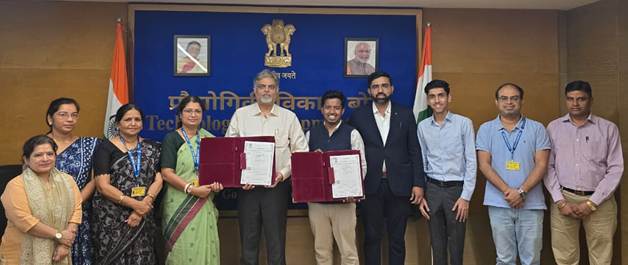
The
Technology Development Board (TDB), under
the Department of Science and Technology
(DST), has signed an agreement with
SIA-India member Manastu Space Technologies
Private Limited for ₹116 crore in financial
support under the Research Development and
Innovation (RDI) Fund. The project has a
total cost of ₹277.63 crore, with support
structured as optionally convertible debt.
The
project is intended to advance a scalable,
integrated green propulsion system for
satellites and launch vehicles across the 5
mN to 300 N thrust range, progressing the
technology from Technology Readiness Level 6
to Level 9. The system uses a hydrogen
peroxide-based propellant with additives and
includes engines, propellant feed systems
and a high-temperature ceramic catalyst.
To know more:
|
|
|
Comsat Systems Wins CII Gold Award for
Excellence in Research and Development
|
|
|
|
|
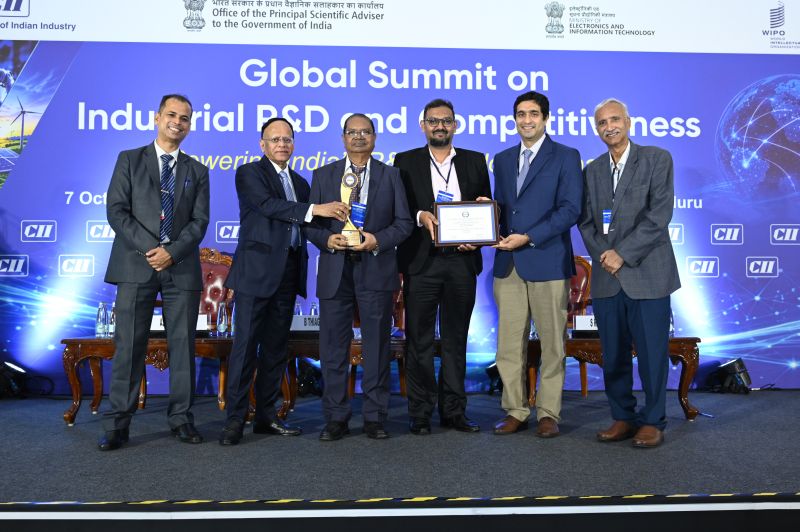
SIA-India member Comsat Systems received the
CII Gold Award in the category “Best Company
for Excellence in R&D – Electronics, Space &
Defence” at the CII Technology Awards for
Excellence in Research and Development 2026.
The award was presented on 7 October during
the Global Summit on Industrial R&D and
Competitiveness.
The
recognition highlights the role of sustained
research and development in building
specialised capabilities for electronics,
space and defence applications. In these
sectors, product reliability, system
integration and the ability to translate
engineering work into deployable solutions
are central to industrial competitiveness.
The
award provides recognition for Comsat
Systems’ R&D work and reflects the wider
importance of domestic engineering companies
in strengthening India’s technology base
across strategic and high-reliability
markets.
To know more:
|
|
|
SIA-India Welcomes Andura Expeditions as a
Pioneer Member
|
|
|
|
|
SIA-India welcomed Andura Expeditions Pvt.
Ltd. to its membership network as a Pioneer
Member in October 2026, expanding the
Association’s representation across India’s
growing space ecosystem.
Operating under the brand AnduraX, the
company is developing reusable spaceplanes
designed to support microgravity research,
cargo resupply, and the recovery of payloads
from space. Its work aims to make access to
orbit more accessible and support emerging
applications in pharmaceuticals,
semiconductors, advanced materials, and
in-space manufacturing.
AnduraX’s membership creates further
opportunities for industry engagement,
technology collaboration, and partnerships
as India’s private space sector advances
towards new commercial and industrial
applications.
To know more:
|
|
|
DeployNXT Joins SIA-India as a Nova Member
|
|
|
|
|
SIA-India welcomed DeployNXT to its
community as a Nova Member in October 2026.
The deep-tech startup is developing
plug-and-play, modular deployable structures
for next-generation space and terrestrial
infrastructure, with potential applications
on Earth, in orbit and on the lunar surface.
The company’s work addresses the need for
scalable and adaptable structures that can
support future space infrastructure and
off-Earth applications. Its addition expands
the range of engineering and infrastructure
capabilities represented within SIA-India’s
membership network.
To know more:
|
|
|
Announcment of opportunities
|
|
|
|
Aditya-L1 Opens Fourth Observation Proposal
Cycle for Researchers
|
|
|
|
|
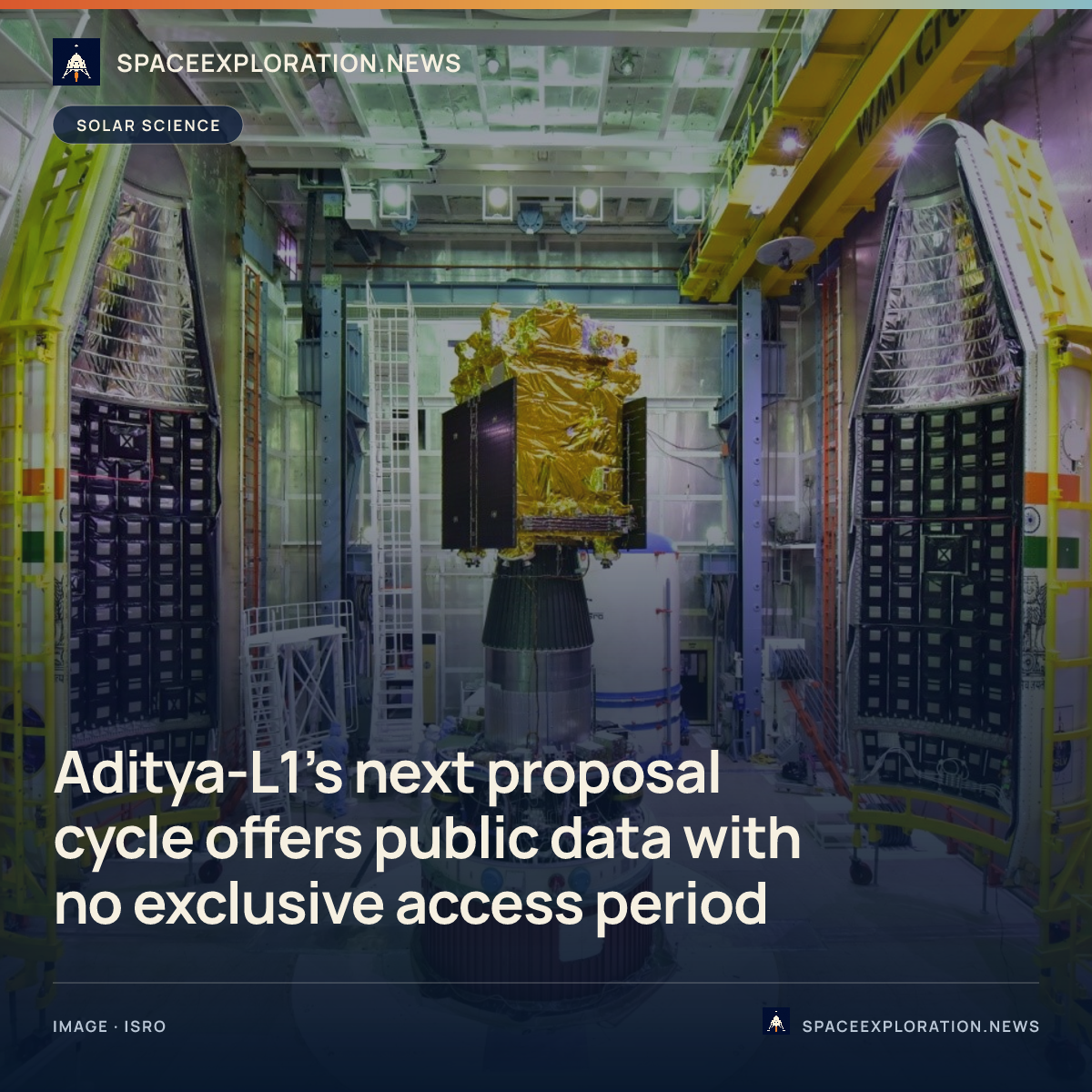
ISRO
issued an Announcement of Opportunity for
the fourth cycle of Aditya-L1 observations
on 16 October 2026, inviting proposals from
Indian and international researchers working
in solar and heliophysics. The mission
provides continuous solar observations from
the Sun–Earth L1 point and enables
scientists to investigate solar activity and
the processes that influence the
heliosphere.
ISRO
stated that more than 37 terabytes of
scientific data from the mission are
available in the public domain. The new
proposal cycle is intended to increase the
scientific return from the mission by
enabling researchers to request observations
aligned with their research objectives,
subject to the announcement’s eligibility
criteria and observing schedule.
The
opportunity underlines the importance of
open scientific data and coordinated access
to national space assets. It also creates a
pathway for a wider research community to
use Indian solar-observation capabilities in
work related to solar eruptions, space
weather and the Sun–Earth environment.
To know more:
|
|
|
|
|
“As India celebrates World Space Week and
observes National Cyber Security Awareness
Month, we must recognise that the future of
space depends not only on technological
breakthroughs, but also on the security and
resilience of our space infrastructure. With
growing threats such as signal jamming, GPS
spoofing, meaconing and cyberattacks,
cybersecurity must be embedded across
satellites, ground systems, communication
networks and supply chains. Looking ahead,
India’s space sector must prioritise security by
design, indigenous capabilities, real-time
threat intelligence sharing and stronger
industry–government collaboration. By bringing
innovation and cybersecurity together, we can
build a space ecosystem that is resilient,
reliable and prepared to support India’s
expanding ambitions in space.”
|
Mr Anil
Prakash
Director General,
SIA-India
|
|
|
|
|
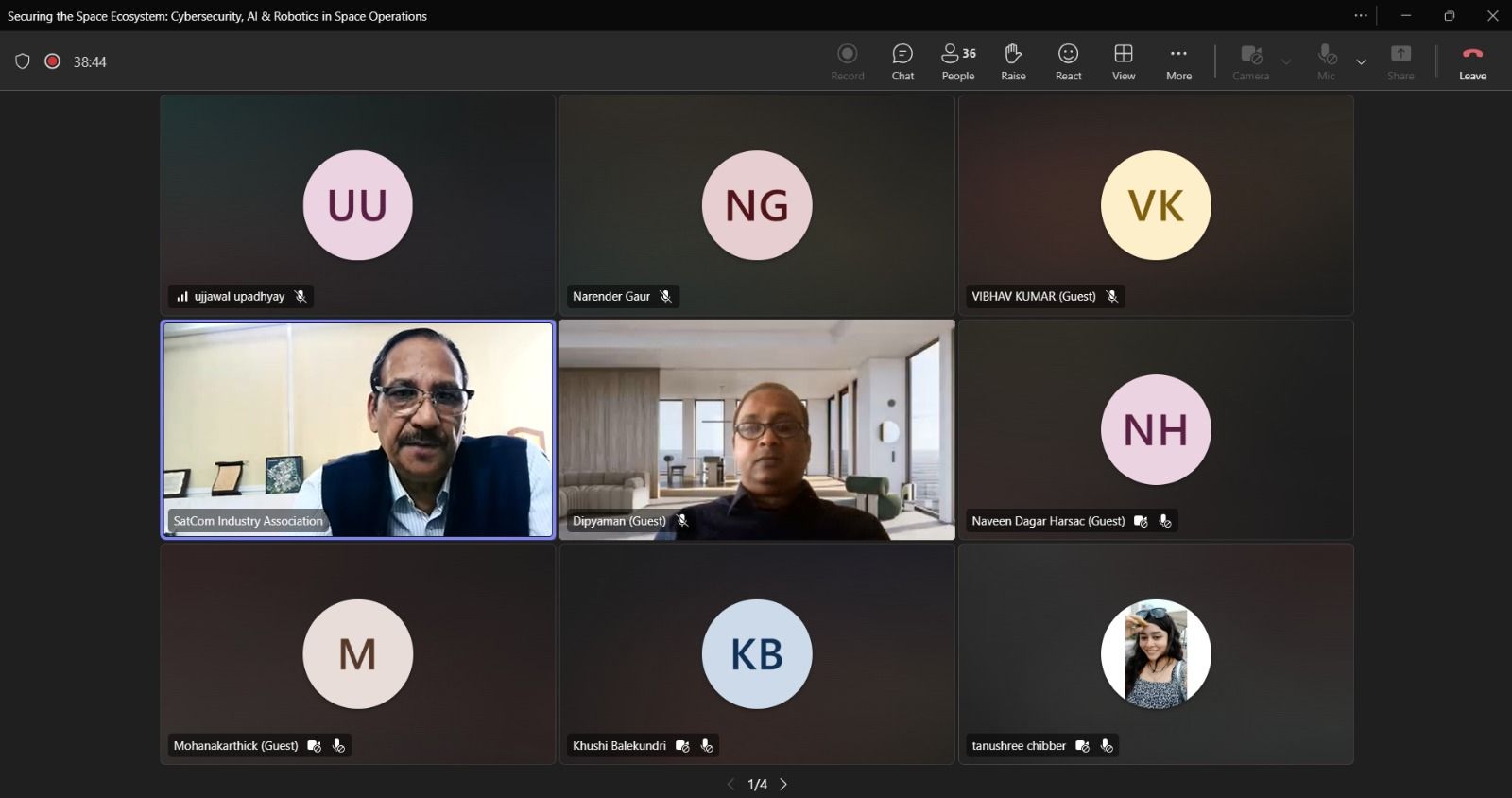
SIA-India and CERT-In Conduct Webinar on Space
Cybersecurity
|
SIA-India, in
collaboration with CERT-In, conducted the
webinar “Securing the Space Ecosystem:
Cybersecurity, AI and Robotics in Space
Operations” on 28 October 2026, from 3:00 PM
to 4:30 PM IST, in online mode. The session
focused on emerging cyber threats to the
space sector, technology assurance, and the
challenges of securing AI-enabled and
autonomous space systems. The initiative
highlighted the importance of strengthening
cybersecurity preparedness and resilience
across India’s expanding space ecosystem.
|
|
|
|
|
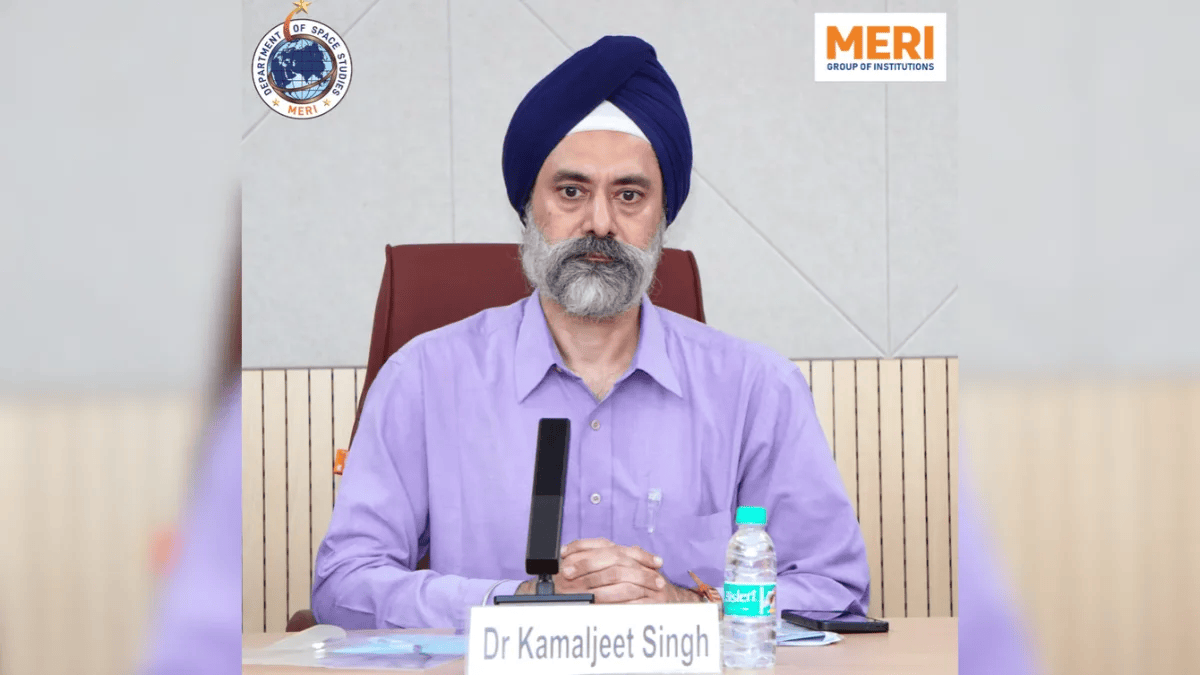
MERI and SIA-India Conference Highlights the
Role of Chips in Space and Defence
|
MERI Group of
Institutions, in association with SIA-India,
organised a national conference in New Delhi
on the role of semiconductor technology in
space and defence. Discussions focused on
space-grade chips, radiation-hardened
microchips, indigenous fabrication,
AI-driven warfare, MEMS and advanced
sensors. The conference also featured the
release of a report on “Role of Space in
Oceanography & Blue Economy” and explored
integrating space technologies into India’s
maritime strategy and the vision of Viksit
Bharat @2047.
|
|
|
Other National and International News
|
|
|
|
|
|
SPADEX Satellites Re-enter Earth’s Atmosphere
After Completing Orbital Demonstrations
|
ISRO’s SPADEX mission
successfully demonstrated critical
autonomous rendezvous and docking
technologies, including docking, undocking,
power transfer and spacecraft control. After
completing their operational objectives,
both SPADEX-A and SPADEX-B progressively
descended and re-entered Earth’s atmosphere
on 12 October 2026. Their re-entry was
accelerated by geomagnetic storms, with both
spacecraft impacting over the South Pacific
and North Atlantic Oceans, respectively.
|
|
|
|
|
OXG Space Raises ₹17 Crore to Advance Orbital
Connectivity and Computing
|
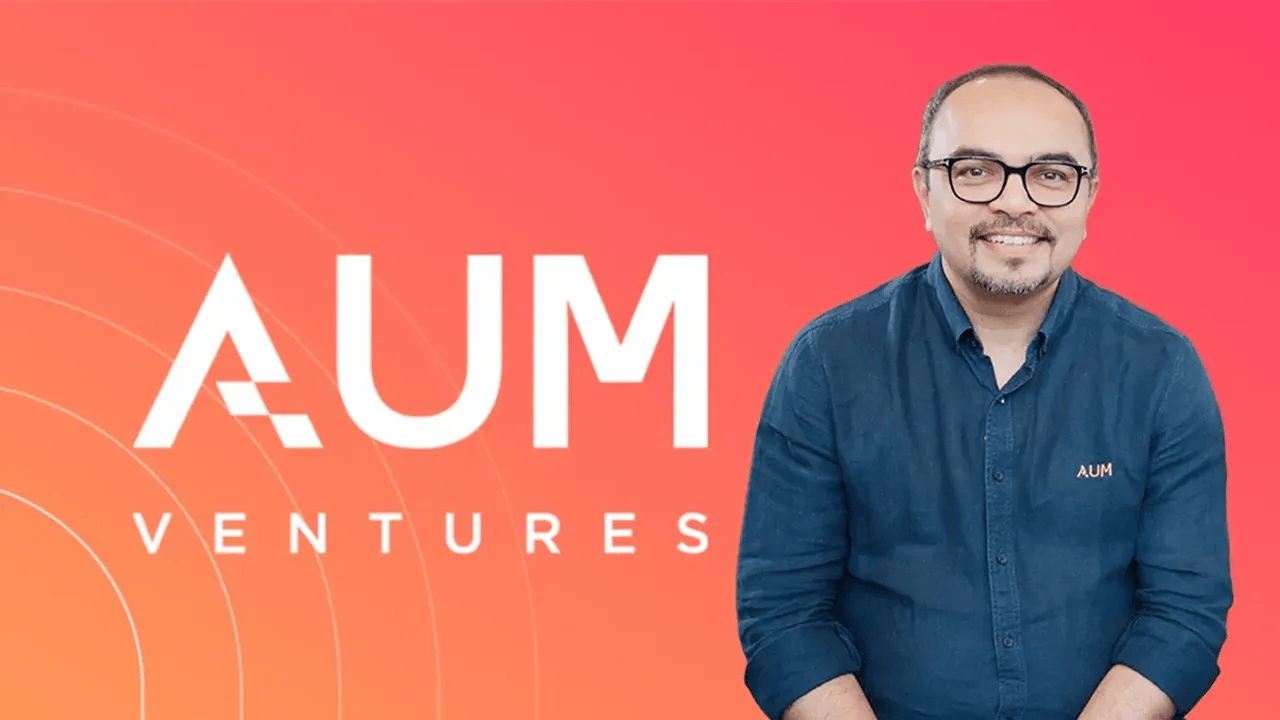
Bengaluru-based spacetech
startup OXG Space has raised ₹17 crore in a
funding round led by Aum Ventures, with
participation from Skyroot Aerospace
founders and other investors. The company is
developing satellite connectivity and
in-orbit computing infrastructure to enable
Earth-observation satellites to process and
transmit data directly from space. Its
technology aims to reduce reliance on ground
stations and accelerate the delivery of
actionable satellite intelligence.
|
|
|
|
|
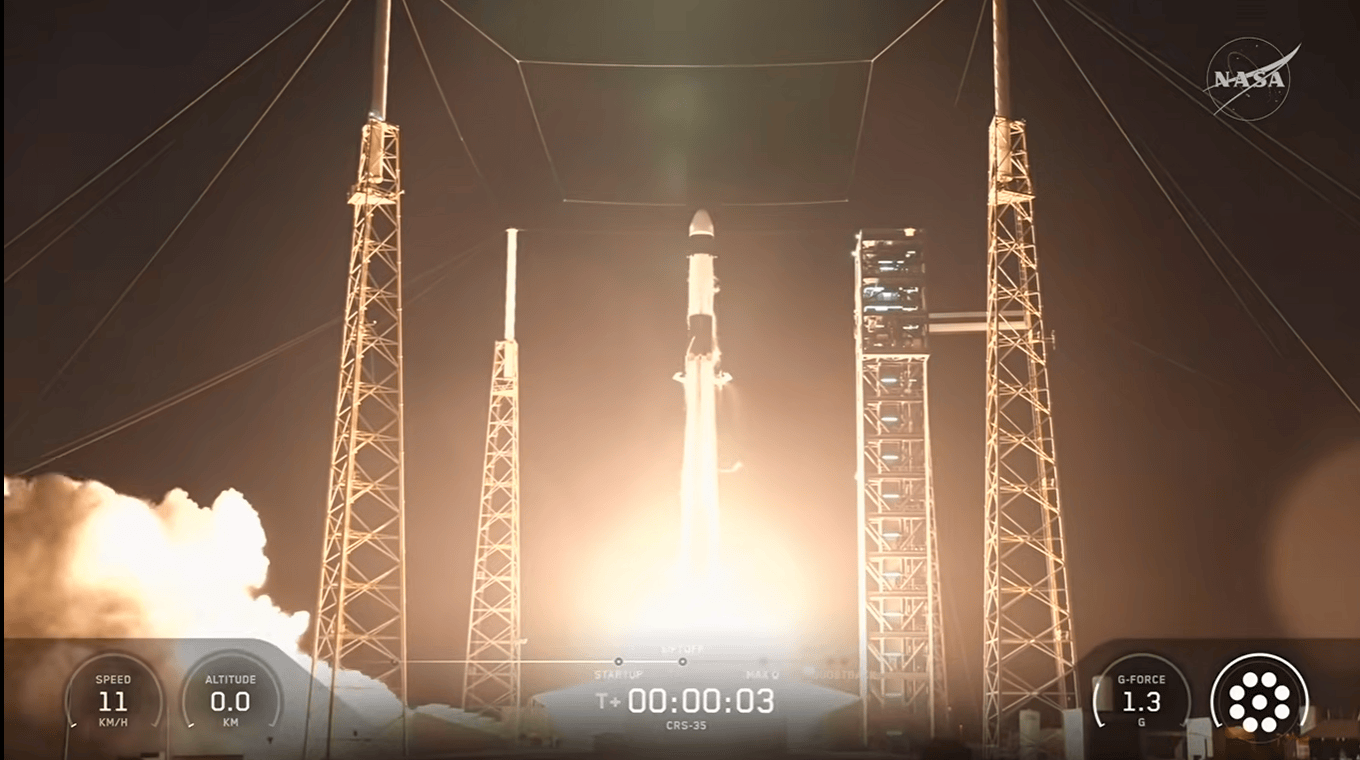
NASA and SpaceX Launch 35th Commercial Resupply
Mission to the International Space Station
|
NASA and SpaceX have
successfully launched the 35th Commercial
Resupply Services mission, carrying more
than 6,300 pounds of supplies, scientific
experiments and hardware to the
International Space Station aboard a Falcon
9 rocket. The Dragon spacecraft is
delivering the final pair of Roll-Out Solar
Arrays to enhance the station’s power
capacity, along with research payloads
focused on artificial retina manufacturing,
3D heart tissue models, microgravity glass
formation and brain organoids. The mission
will support ongoing scientific research and
future human exploration initiatives under
NASA’s Artemis programme.
|
|
|
|
|
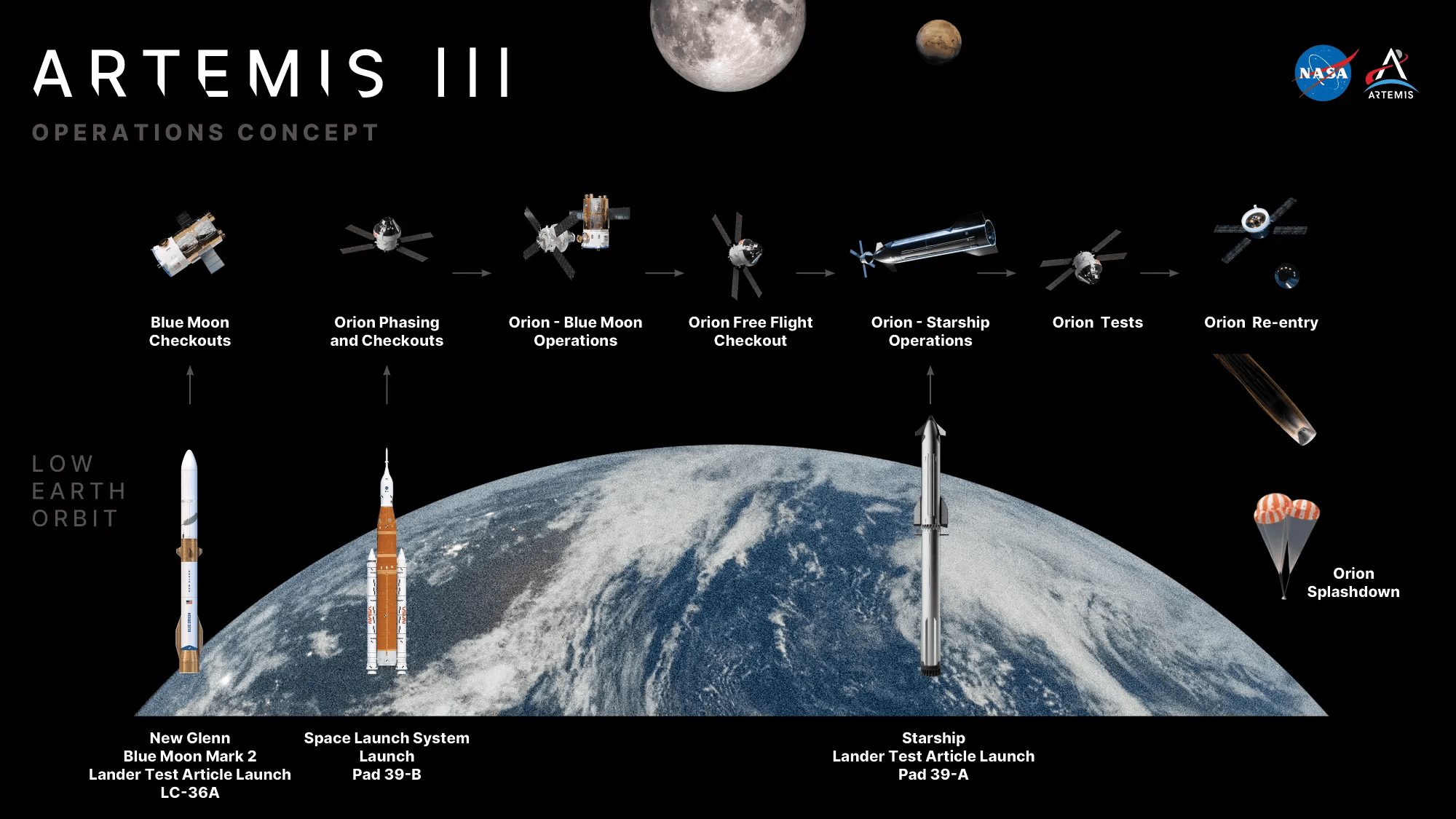
NASA Outlines Artemis Acceleration Plan, with
Lunar Landing Targeted for 2028
|
NASA has outlined an
accelerated roadmap for its Artemis
programme, targeting the Artemis III test
flight in 2027 and the Artemis IV crewed
lunar landing in 2028. Artemis III will test
rendezvous, docking and lunar lander
operations between Orion and lander systems
developed by SpaceX and Blue Origin in Earth
orbit. NASA also reported progress in
hardware development, reduced processing
timelines and in-house engineering
improvements to support a sustained human
presence on the Moon.
|
|
|
|
|
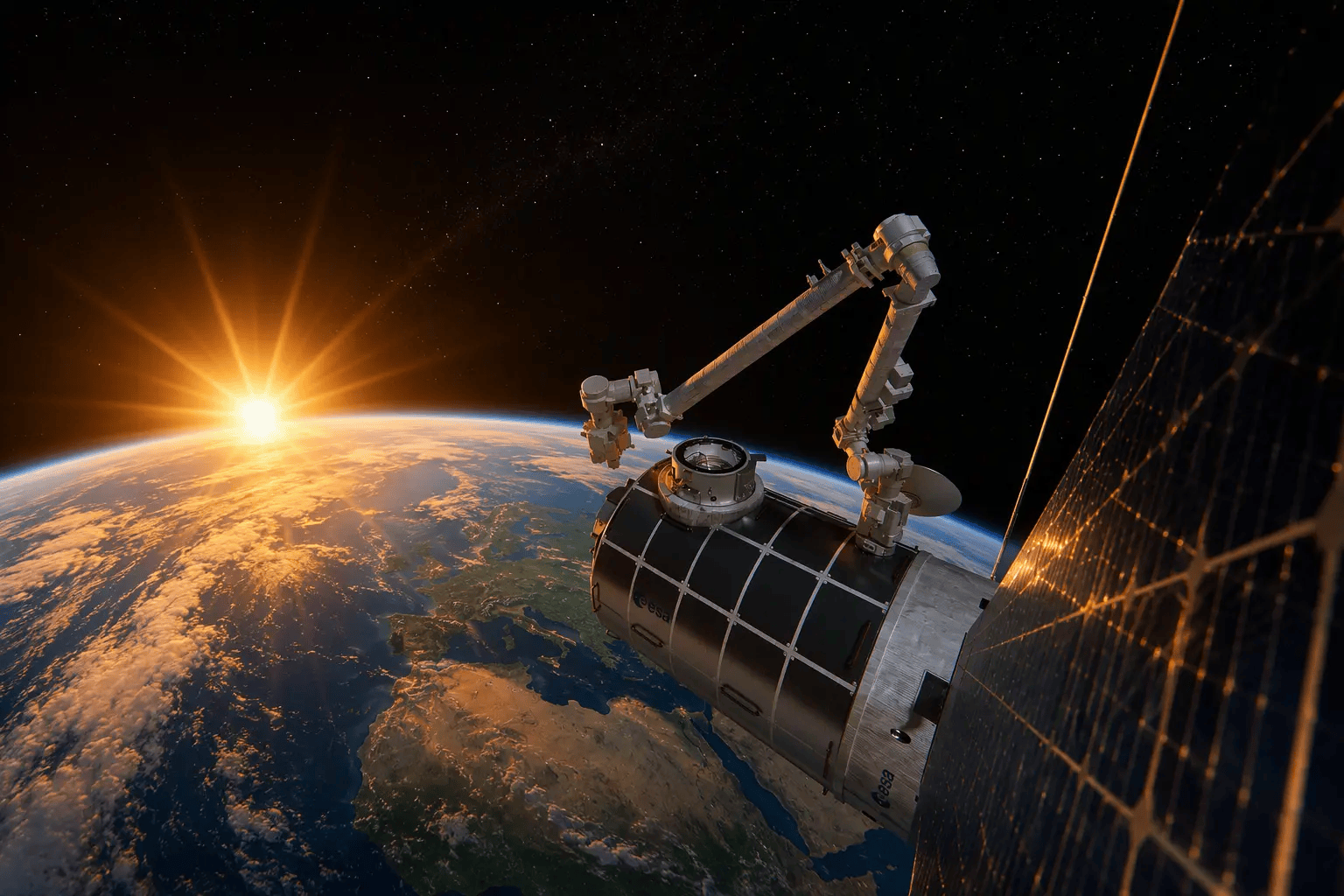
ESA Begins Studies on a European-Led Space
Station
|
The European Space Agency
(ESA) has commissioned two industrial
consortia led by Airbus Defence and Space
and OHB to assess the feasibility of
developing a European-led orbital outpost in
Low Earth Orbit (LEO). The studies will
examine station architecture,
infrastructure, transportation systems,
operational requirements and potential
international partnerships. Expected to run
for approximately nine months, the
initiative aims to strengthen Europe’s
independent human spaceflight capabilities
and ensure continued access to orbital
research and technology development beyond
the International Space Station era.
|
|
|
|
|
|
|
|
|
|
For
further
information,
please
contact
us
at:
|
|
|
|
|
|
|
|
|
|
|