Click Here to View online version
|
|
|
SIA-India Newsletter – February 2026 Special Edition
|
|
|
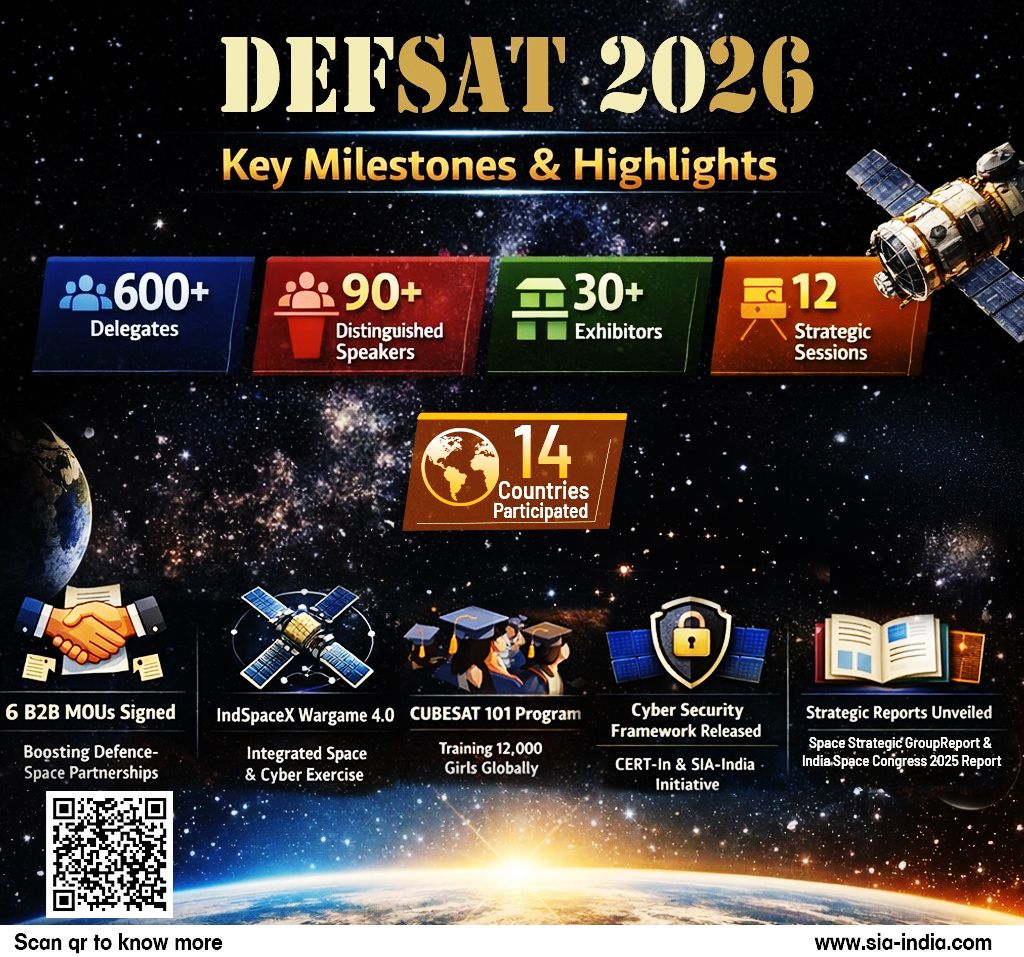
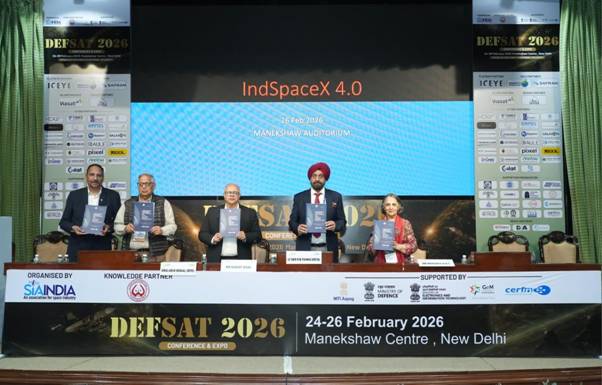
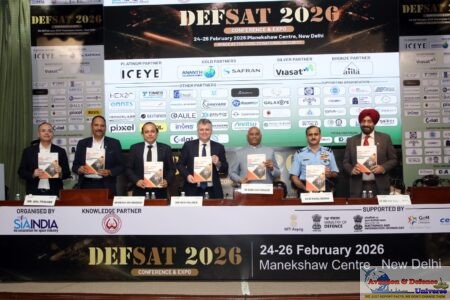
SIA-India organised the fourth edition of DefSat Conference and Exposition, marking a defining moment for India’s defence-space ecosystem, bringing strong participation from senior military leadership, policymakers, defence attachés, homeland security stakeholders, global industry leaders, start-ups, and strategic experts under the theme “Space at the Core of National Security.” Over three days, the conference evolved beyond dialogue into tangible outcomes, from the release of India’s Cyber Security Framework for Space and Satellite Communications, to the strategic IndSpaceX 4.0 defence space wargame, and multiple industry collaborations that reinforced the growing integration of space capabilities into national security planning.
|
|
|
Key Quotes at DefSat 2026
|
|
|
|
Dr. Subba Rao Pavuluri, President, SIA-India
|
|
|
|
|
“India is entering a decisive phase in the evolution of its defence–space architecture. Initiatives such as the Space-Based Surveillance programme (SBS-III), which envisages a constellation of 52 satellites for persistent monitoring, signal a clear shift toward space-enabled strategic awareness. At the same time, recent events—including the cyber campaign that followed Operation Sindoor—remind us that modern conflicts increasingly extend beyond terrestrial battlefields into cyber and space domains. Our national security architecture must therefore evolve to protect critical space infrastructure while ensuring resilience against cyber, electronic, and emerging quantum threats.”
|
|
|
Maj Gen Neeraj Shukla, AVSM, SM, Officiating Director General (Strategic Planning), Indian Army
|
|
|
|
|
“We are a responsible nation. Our approach to space must reflect our civilisational ethos ‘दोहनं कर्म संसाधनम्, न कदापि शोषणम्। लोकहिते भूतानां संरक्षणम् प्रथमम्’, meaning responsible utilisation of resources, never exploitation, for the welfare and protection of all beings. Space is not merely for defence dominance, but for sustaining the very civilisation we are sworn to protect.”
“National security can no longer be viewed through a purely military lens; it reflects the collective strength of diplomacy, information, military capability, economic resilience, political leadership, and indigenous technology. As emerging technologies, from AI and quantum to cyber and space-converge into military platforms, the character of war is transforming. Securing every instrument of national power is essential to safeguarding strategic autonomy.”
|
|
|
AVM Manu Midha, Director General, Defence Space Agency
|
|
|
|
|
"Space is no longer a distant frontier or a symbol of technological prestige; it is the decisive high ground of modern warfare and national power. The nation that secures its interests in orbit safeguards its sovereignty on Earth. From precision strikes to real-time intelligence, from secure communications to strategic deterrence, every critical function of modern defence now depends on resilient space capability. If we fail to protect and strengthen our space architecture, we risk strategic blindness and operational paralysis. In the 21st century, safeguarding space is not an option, it is a national imperative.”
|
|
|
|
|
“Space is no longer a supporting arm of military power — it is its nervous system. Nations that secure their space domain secure decision superiority, deterrence credibility, and strategic advantage. We cannot wait for perfect capability; we must build resilience with what we have, while relentlessly advancing toward assured and indigenous space power.”
|
|
|
With Gratitude to Our Sponsors and Partners
|
|
|
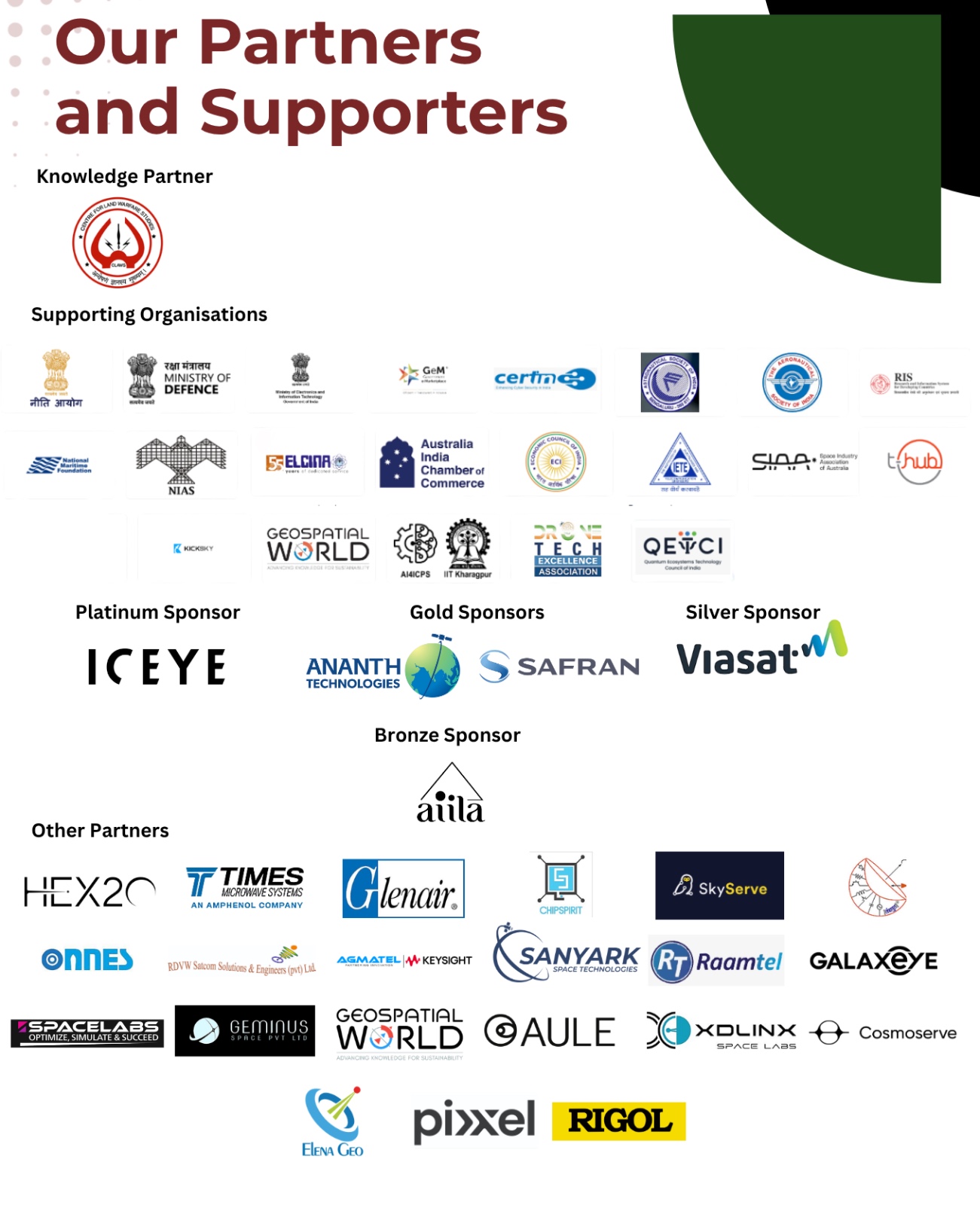
We also extend our sincere appreciation to our partners and sponsors who helped make this platform a resounding success. Your continued collaboration has strengthened innovations, industry engagement, and strategic dialogue across the global space community.
|
|
|
Government Releases Draft DAP 2026 to Strengthen Indigenous Defence Capability
|
|
|
|
|
The Government of India has taken an important step toward strengthening the country’s defence acquisition ecosystem with the release of the Draft Defence Acquisition Procedure (DAP) 2026. The revised guidelines reflect a forward-looking policy approach aimed at accelerating capability development while reinforcing India’s commitment to strategic autonomy and indigenous technological leadership.
The updated framework places a stronger emphasis on indigenous design ownership, intellectual property control, lifecycle sustainability, and export orientation, marking a shift from merely manufacturing systems in India to ensuring that critical defence technologies are designed and owned within the country. The draft also proposes higher indigenous content requirements and introduces measures to streamline procurement timelines, enabling faster induction of advanced technologies into the armed forces.
In addition, the draft recognises the evolving nature of modern defence capabilities, including domains such as space, cyber systems, and emerging digital technologies. It also highlights the importance of long-term capability planning and industry participation to support the development of advanced defence systems and strengthen India’s domestic supply chains.
SIA-India welcomes the release of the draft DAP 2026 and has initiated an industry consultation process to gather feedback from stakeholders across the space and defence ecosystem. Members and industry participants interested in sharing their inputs may reach out at sudipta.behera@sia-india.com as part of the ongoing consultation process.
Read the Draft DAP 2026:
|
|
|
CERT-In and SIA-India Release Cybersecurity Framework for Space and Satellite Communications
|
|
|
|
|
In a significant step toward strengthening the cyber resilience of India’s space ecosystem, the Indian Computer Emergency Response Team (CERT-In) in collaboration with SIA-India has released a comprehensive Cybersecurity Framework and Guidelines for Space and Satellite Communications (SatCom) Systems. The framework aims to secure critical space infrastructure that supports national security operations, disaster management, navigation services, broadcasting, and digital connectivity across the country.
The guidelines outline a detailed threat landscape for space systems, identifying risks such as signal jamming, spoofing, unauthorized command uplinks, ground station intrusions, and firmware manipulation that could compromise satellite operations and communication networks.
Among the key provisions, the framework emphasises the adoption of security-by-design and defence-in-depth principles, integration of strong encryption and authentication mechanisms across satellite links, and the implementation of continuous monitoring and anomaly detection systems for mission-critical infrastructure. It also calls for robust supply-chain security, risk assessment mechanisms, and periodic cybersecurity audits to ensure the integrity of satellite platforms, ground infrastructure, and user terminals.
The guidelines further mandate timely incident reporting, coordinated response mechanisms, and the appointment of dedicated cybersecurity leadership such as Chief Satellite Security Officers (CSSO) or Chief Information Security Officers (CISO) within organisations operating satellite communication systems.
To support industry participation in refining the framework, CERT-In and SIA-India have opened a consultation process inviting inputs from stakeholders across the space and satellite communications ecosystem. Industry participants and stakeholders are encouraged to share their feedback at sudipta.behera@sia-india.com
Read the guidelines at:
|
|
|
Technology and Innovation
|
|
|
|
Private Space Sector Gets a Boost as Skyroot Prepares India’s First Private Orbital Rocket
|
|
|
|
|
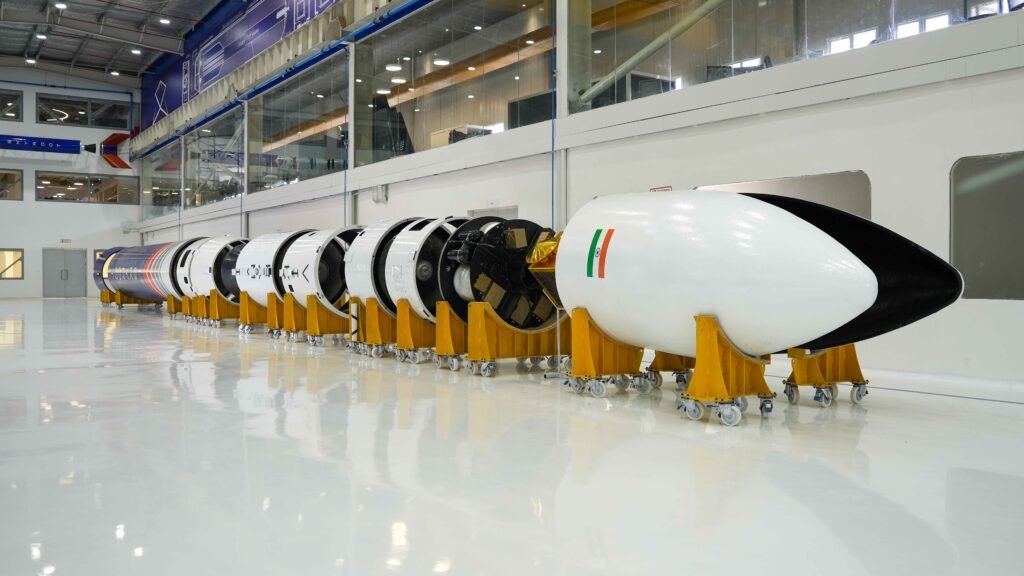
India’s rapidly growing private space sector is set to achieve another milestone as SIA-India member, Skyroot Aerospace prepares for the launch of Vikram-1, the country’s first privately developed orbital rocket. Being assembled at the company’s Max-Q facility near Hyderabad, the rocket is designed to carry small satellites to orbit and cater to the rising demand for dedicated launch services.
Standing about 75 feet tall and capable of carrying around 300 kg of payload, Vikram-1 aims to provide flexible and responsive launch solutions. Skyroot also envisions a future where small launch vehicles function as “space cabs,”delivering satellites to specific orbits on demand. The upcoming mission marks a significant step for India’s commercial space ecosystem, highlighting the growing role of private companies in strengthening the country’s space capabilities.
Read More:
|
|
|
SIA-India President Represents Indian Space Industry at ET NOW Global Business Summit 2026
|
|
|
|
|
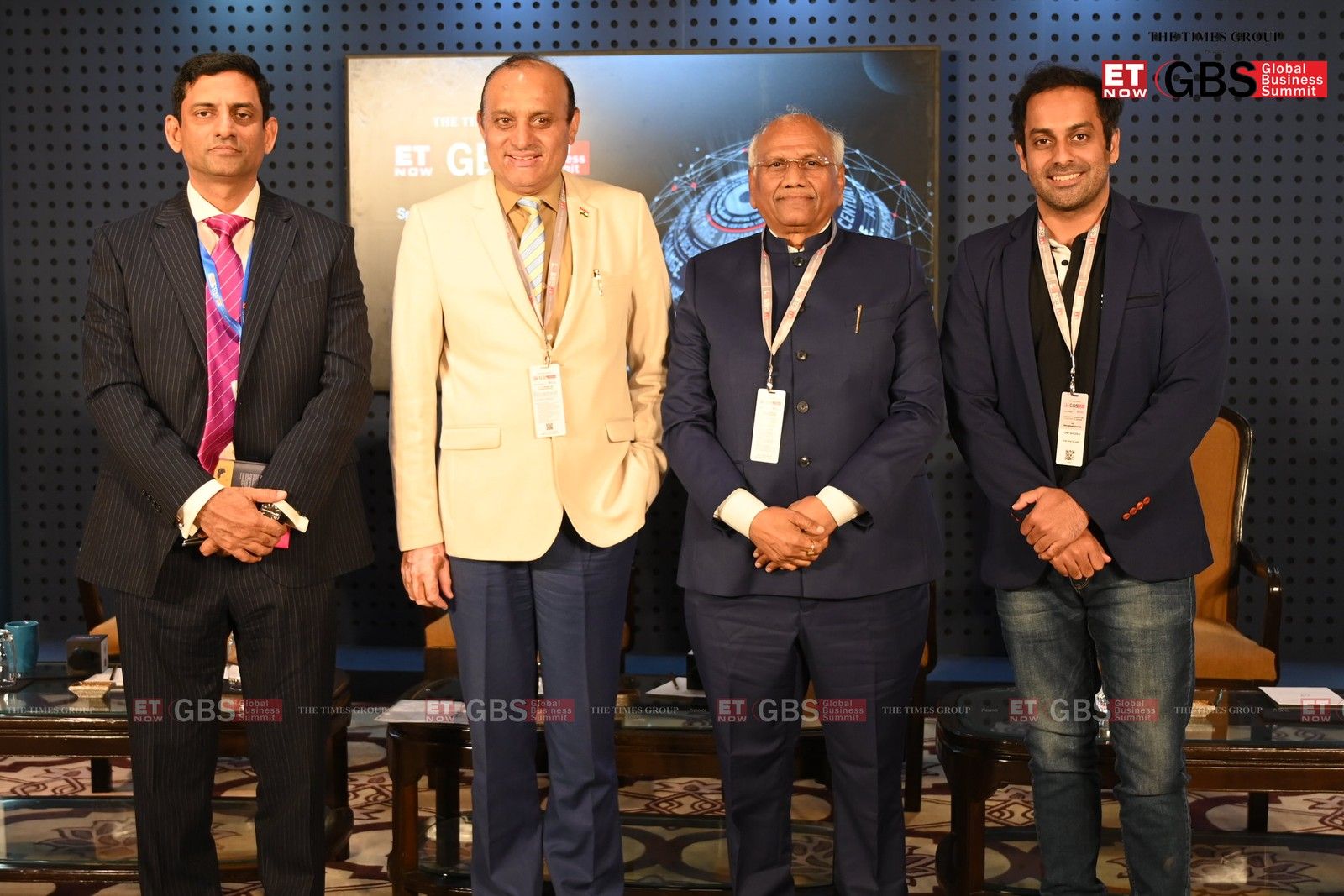
Dr. Subba Rao Pavuluri, President of SIA-India, represented the Indian space industry at the ET NOW Global Business Summit 2026 on 14 February 2026, joining the panel discussion titled “Escape Velocity: Powering India’s Next Phase in Space.” The session focused on the evolving trajectory of India’s space ecosystem and the role of industry in driving the next phase of growth.
During the discussion, Dr. Pavuluri highlighted three key imperatives for strengthening India’s space sector: ensuring predictable government demand to enable industrial scale, deepening Tier-2 and Tier-3 supplier ecosystems, and enabling Indian industry to move up the value chain, including the transition toward privately led GEO communications capabilities. Emphasising India’s growing capabilities, he noted that while the country has demonstrated strong mission capability, the next milestone lies in achieving sustained industrial scale and strategic ownership.
|
|
|
SIA-India President Addresses HYSEA Summit 2026 on Building India’s Aerospace Engineering Capability
|
|
|
|
|
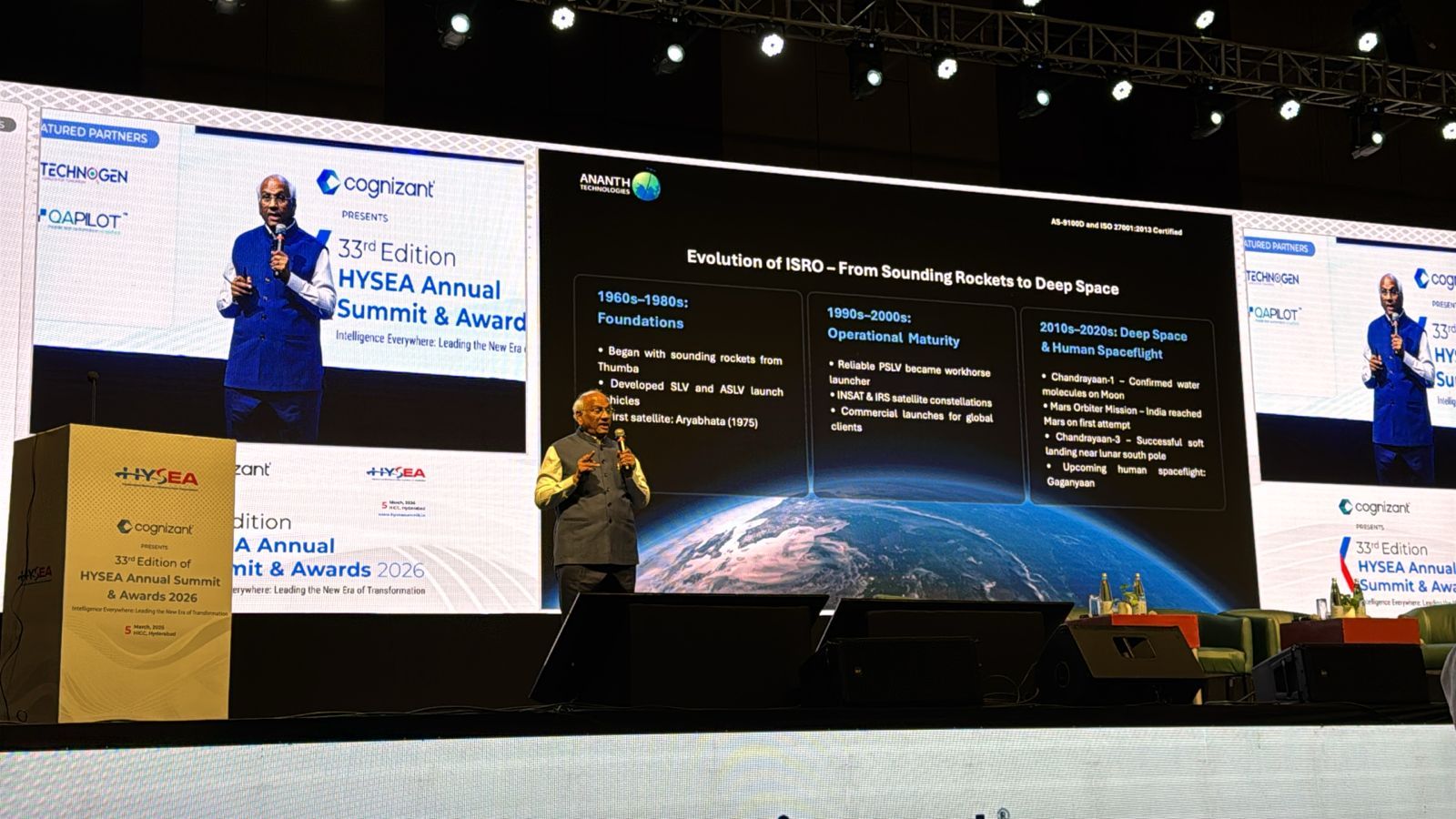
Dr. Subba Rao Pavuluri, President of SIA-India, delivered a keynote address on “Building India’s Aerospace Engineering Capability” at the 33rd Edition of the HYSEA Annual Summit & Awards 2026 held in Hyderabad.
In his address, Dr. Pavuluri highlighted the evolution of India’s space journey and underscored the importance of indigenous engineering, industry participation, and innovation in strengthening the country’s aerospace ecosystem. He emphasised that continued collaboration between government, industry, and academia will be essential to advancing India’s capabilities and positioning the nation as a global leader in aerospace and space technologies.
|
|
|
Aule Space Joins SIA-India as a Nova Member
|
|
|
|
|
SIA-India is pleased to welcome Aule Space as its newest Nova Member, further strengthening the association’s growing ecosystem of innovative space technology companies. Aule Space is focused on developing robotic solutions for the emerging space economy, with the vision of enabling autonomous satellite servicing and on-orbit operations. The company is working toward building foundational technologies that support In-Space Servicing, Assembly, and Manufacturing (ISAM), contributing to the development of future servicing infrastructure in orbit. By advancing robotic capabilities for satellite maintenance and operations, Aule Space aims to support orbital sustainability, operational efficiency, and the next phase of the global in-space economy.
|
|
|
Cosmoserve Space Joins SIA-India as Nova Member
|
|
|
|
|
SIA-India is pleased to welcome Cosmoserve Space as a Nova Member, further strengthening the association’s growing ecosystem of companies working toward safe and sustainable space operations. Cosmoserve Space is focused on developing Active Debris Removal (ADR) technologies and commercial orbital servicing solutions aimed at addressing the growing challenge of space debris. The company is building advanced systems capable of capturing and removing defunct satellites and orbital debris, helping to reduce congestion in Earth’s increasingly crowded orbital environment. Through its debris removal solutions, Cosmoserve aims to advance space sustainability, enhance orbital safety, and protect critical space infrastructure that supports satellite operators, human spaceflight missions, and scientific exploration. Its work aligns closely with global efforts to ensure responsible and long-term use of outer space.
|
|
|
Sanyark Space Joins SIA-India as Nova Member
|
|
|
|
|
SIA-India is pleased to welcome Sanyark Space as a Nova Member, further strengthening the association’s growing network of companies advancing next-generation satellite technologies. Sanyark Space is developing a fused Positioning, Navigation and Timing (PNT) and communications constellationdesigned to keep critical platforms connected, precise, and secure, even when traditional signals are jammed or unavailable. The company is building resilient satellite infrastructure to support emerging applications across autonomous mobility, defense systems, and smart infrastructure. Leveraging technologies such as software-defined payloads, phased-array antennas, and onboard edge AI, Sanyark aims to enable satellites that can adapt dynamically in orbit, delivering reliable connectivity and navigation capabilities in increasingly contested and complex operational environments.
|
|
|
Astrobase Space Technologies Joins SIA-India as Nova Member
|
|
|
|
|
SIA-India welcomes Astrobase Space Technologies as a Nova Member, reinforcing India’s growing launch vehicle ecosystem. Astrobase is working on India’s first reusable medium-lift orbital launch vehicle, designed to support on-demand launches, satellite constellation deployments, and sovereign space missions. The company aims to provide flexible launch infrastructure to support the expanding global demand for satellite deployment and space-based services. Its focus on reusable launch systems reflects the industry’s shift toward cost-efficient and responsive access to space.
|
|
|
VyomIC Joins SIA-India as Nova Member
|
|
|
|
|
SIA-India is pleased to welcome VyomIC as a Nova Member, strengthening the association’s ecosystem of emerging space technology innovators.
Founded by alumni of the Indian Institute of Technology Madras, the team previously led Avishkar Hyperloop, where they built one of the world’s largest academic hyperloop testing facilities with a 420-meter integrated track and vacuum system, supported by funding from the Ministry of Railways, Government of India. Building on their experience in deep-tech infrastructure and autonomous drone swarm systems, the founders established VyomIC to develop India’s first private LEO-PNT satellite constellation, aimed at delivering secure, high-precision, and sovereign positioning and timing services for next-generation applications.
|
|
|
EON Space Labs Joins SIA-India as Pioneer Member
|
|
|
|
|
SIA-India welcomes EON Space Labs as a Startup/Pioneer Member, strengthening the association’s hardware innovation ecosystem. EON Space Labs develops indigenous electro-optical and infrared (EO-IR) imaging payloads and satellite camerasfor space, aerial, and ground platforms. The company specializes in miniaturized high-resolution Earth observation systems, enabling real-time monitoring for applications such as disaster management, agriculture, surveillance, and infrastructure monitoring. Its lightweight optical payload technologies contribute to reducing dependency on imported space imaging systems.
|
|
|
TakeMe2Space Joins SIA-India as Pioneer Member
|
|
|
|
|
SIA-India welcomes TakeMe2Space as a Startup/Pioneer Member, expanding the association’s footprint in orbital computing and AI-enabled satellite infrastructure The Hyderabad-based startup is building LEO satellite infrastructure designed to function as orbital data centers, enabling users to run applications and AI models directly in space through its OrbitLab platform. The company’s satellites aim to process data in orbit, reducing bandwidth requirements and enabling faster insights from Earth observation and other space-based applications. This approach represents a new paradigm where satellites act as computing platforms in orbit rather than passive data collectors.
|
|
|
GalaxEye to Launch AI-Powered OptoSAR Satellite ‘Drishti’
|
|
|
|
|
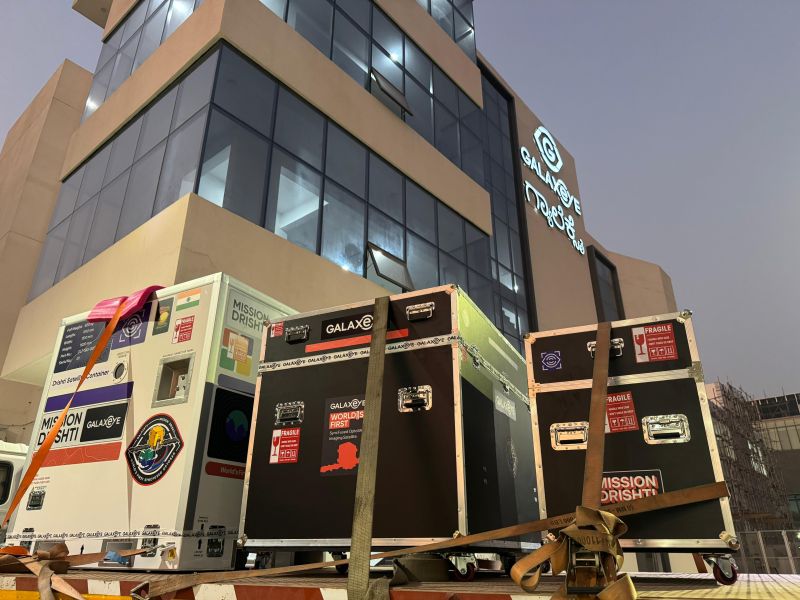
SIA-India member GalaxEye is preparing to launch its advanced Earth observation satellite “Drishti,” featuring an AI-powered OptoSAR imaging system designed to deliver high-resolution insights under all weather and lighting conditions. The satellite integrates optical imaging with Synthetic Aperture Radar (SAR) on a single platform, enabling reliable Earth observation even through clouds, rain, or darkness.
With artificial intelligence embedded onboard, the satellite will process large volumes of data directly in orbit, significantly reducing the need for ground-based processing and enabling faster delivery of actionable insights.
The mission marks an important milestone for India’s private space sector, demonstrating the growing capability of domestic companies to develop advanced satellite technologies for applications including disaster response, climate monitoring, and strategic intelligence.
Read More:
|
|
|
SIA-India Members Selected for Indigenous Satellite Bus Platform under IN-SPACe Initiative
|
|
|
|
|
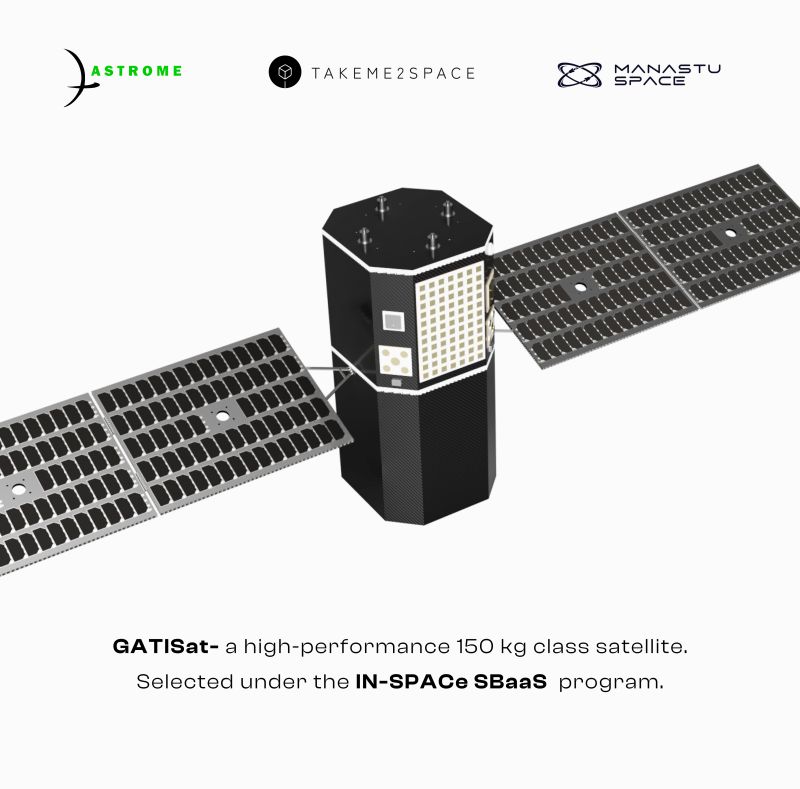
SIA-India members Manastu Space and TakeMe2Space, along with Astrome, have been selected by IN-SPACe to develop a 150 kg-class indigenous Satellite Bus as a Service (SBaaS) platform with modular multi-payload capabilities. The initiative aims to strengthen India’s ability to develop scalable and globally competitive satellite solutions.
Under the collaboration, TakeMe2Space will develop the satellite bus subsystems, Astrome will integrate its advanced communication technologies, while Manastu Space will power the platform with its green propulsion technology. The SBaaS platform is designed to provide flexible satellite infrastructure capable of supporting diverse mission requirements. The collaboration represents an important step toward building globally competitive and fully indigenous satellite capabilities, while reinforcing the growing role of India’s private space industry in advancing next-generation satellite technologies.
|
|
|
New Reports and Publications
|
|
|
|
Space Strategic Group Report 2026 Highlights Roadmap for India’s Defence Space Preparedness
|
|
|
|
|
SIA-India released the Space Strategic Group (SSG) Report 2026, titled “Space as a Strategic Security Domain: From Dialogue to Preparedness,” outlining key priorities to strengthen India’s defence space preparedness. The report underscores that space has evolved into a critical national security domain, supporting military operations, economic systems, digital infrastructure, and governance continuity. It highlights the growing reliance on space-enabled services such as communications, navigation, and intelligence, calling for resilient architectures, stronger cyber and supply-chain security, and recognition of space systems as critical national infrastructure.
Spearheaded by SIA-India, the Space Strategic Group serves as a collaborative platform bringing together the armed forces, policymakers, industry, academia, and strategic experts to align policy, operational requirements, and industrial capability. The report contributes to advancing a coherent and forward-looking framework for India’s defence space ecosystem.
|
|
|
India Space Congress 2025 Report Released
|
|
|
|
|
SIA-India released the India Space Congress (ISC) 2025 Report, capturing key insights, discussions, and recommendations emerging from one of India’s leading space industry platforms. The report reflects the collective perspectives of all national and international stakeholders on advancing India’s rapidly evolving space ecosystem. It highlights critical themes including satellite communications, geospatial technologies, downstream applications, space sustainability, investment ecosystems, and the expanding role of private industry in driving innovation and economic growth. The report also outlines opportunities for strengthening public–private collaboration, technology development, and global partnerships, reinforcing India’s ambition to become a major player in the global space economy.
|
|
|
|
|
“DefSat 2026 reaffirmed that space is now central to national security, technological sovereignty, and strategic preparedness. As India’s defence–space ecosystem expands—from new policy frameworks to private sector innovation—SIA-India will continue to convene government, armed forces, industry, and academia to build resilient capabilities and strengthen India’s position as a leading space power.”
|
Mr Anil Prakash
Director General, SIA-India
|
|
|
|
|
SIA-India & CERT-In Release Space Cybersecurity Guidelines
|
SIA-India and CERT-In jointly released a comprehensive framework to strengthen cybersecurity across India’s space ecosystem, including satellite networks, ground infrastructure, and supply chains. The guidelines aim to enhance cyber resilience, promote secure-by-design architectures, and support government agencies, satellite operators, and private space companies in protecting critical space communication assets from evolving cyber threats.
|
|
|
|
|
DefSat 2026: Geminus Space & Safran Partner on Ground Systems
|
At DefSat 2026, Geminus Space and Safran Data Systems India signed an MoU to enhance large-scale satellite ground segment operations. The collaboration will integrate Geminus’s unified ground operations platform with Safran’s antenna, modem, and signal processing systems to enable automated, software-defined, and scalable data acquisition and monitoring solutions for strategic and commercial space missions.
|
|
|
|
|
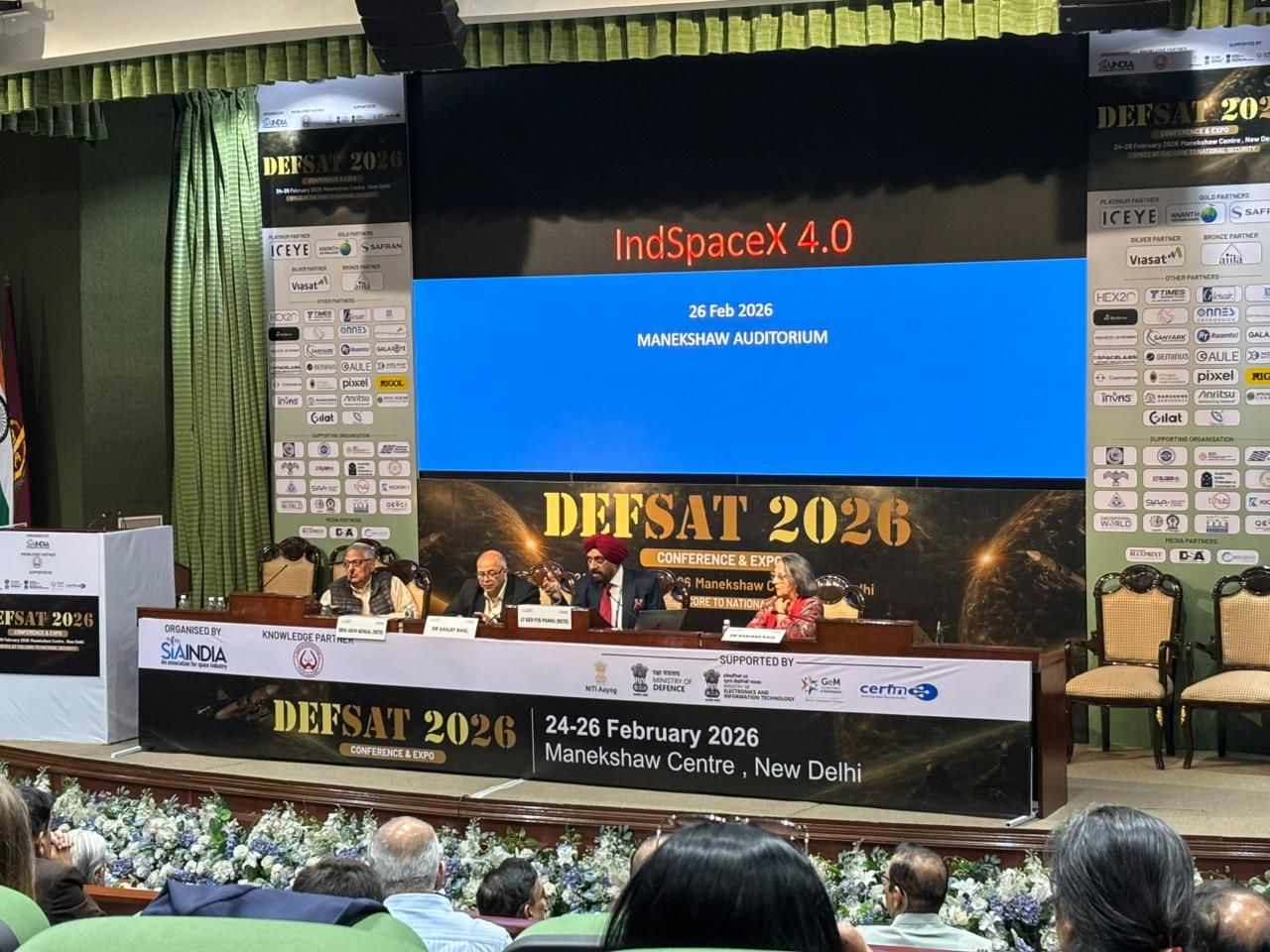
INDSPACEX 4.0 Wargame Explores Space as Battlespace
|
The INDSPACEX 4.0 wargame at DefSat 2026 simulated multi-domain conflict scenarios where space systems play a critical role in national security. Led by Lt Gen PJS Pannu (Retd), the exercise examined disruptions to space-based surveillance, cybersecurity threats, and decision-making challenges, highlighting the growing importance of resilient space infrastructure in modern defence operations.
|
|
|
|
|
Defence Leaders Stress Strategic Importance of Space Systems
|
At DefSat 2026, Defence Space Agency Director General Air Vice Marshal Manu Midha warned that modern military operations are heavily dependent on space-based assets. Experts emphasized that disruptions to satellite infrastructure could create strategic blind spots, underscoring the need to strengthen India’s defence-space ecosystem and enhance security for critical space capabilities.
|
|
|
Other National and International News
|
|
|
|
|
|
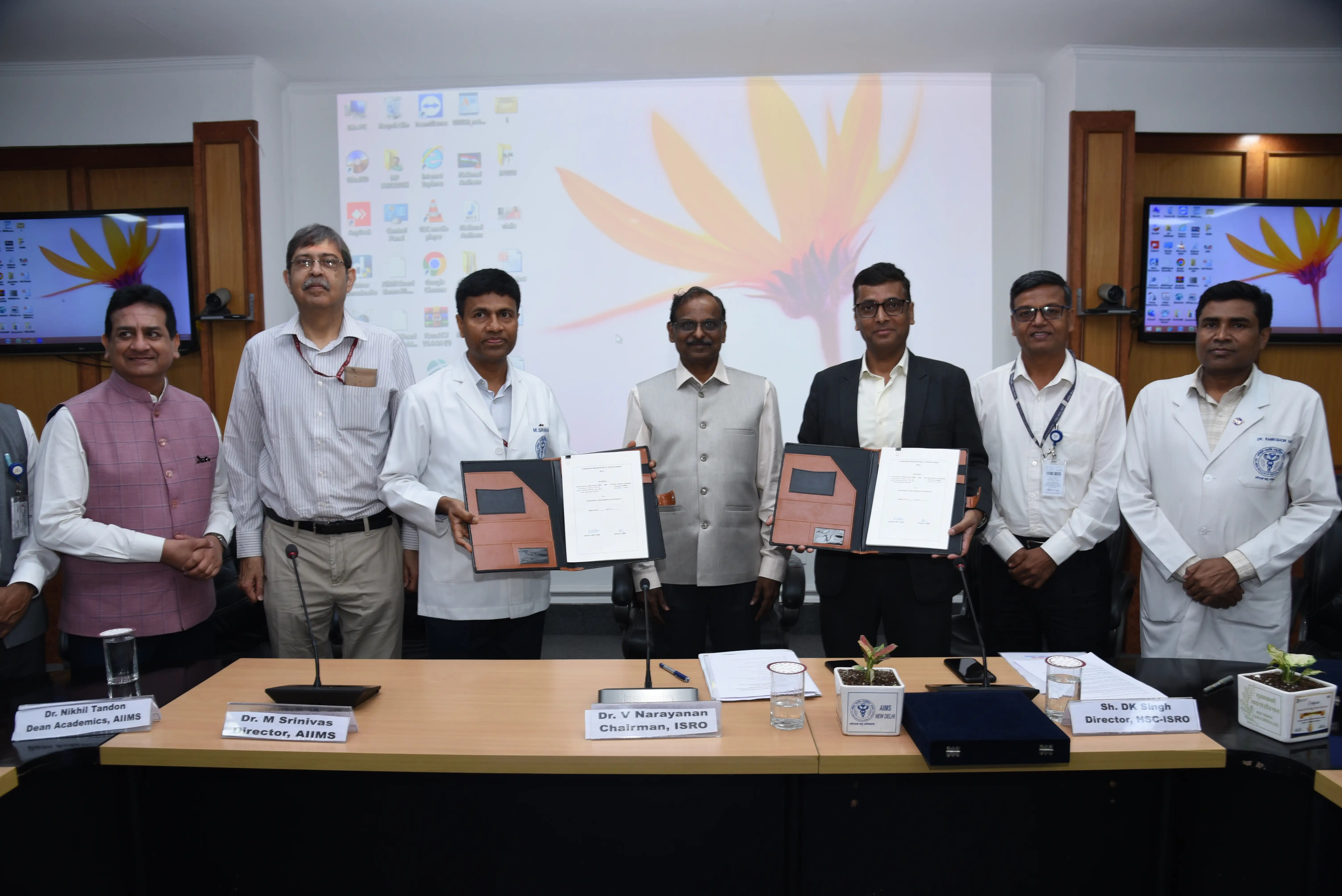
AIIMS & ISRO Partner for Space Medicine Research
|
AIIMS New Delhi and ISRO signed an MoU to advance research in space medicine to support India’s human spaceflight programme. The collaboration will study areas such as human physiology, cardiovascular health, microgravity effects, genomics, and behavioural health, strengthening India’s capabilities in astronaut health and long-duration space missions.
|
|
|
|
|
ISRO & ESA Collaborate on Earth Observation Missions
|
ISRO and the European Space Agency signed an agreement to jointly conduct calibration, validation activities, and scientific studies for Earth observation missions. The collaboration aims to improve the accuracy of satellite data and expand international cooperation in climate monitoring, environmental studies, and remote sensing applications.
|
|
|
|
|
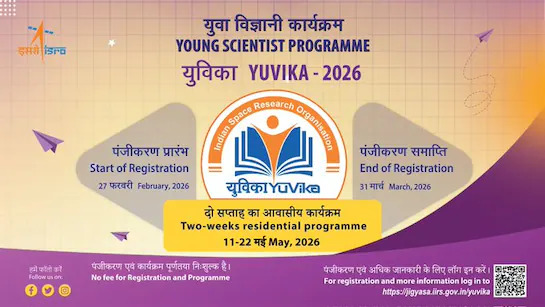
ISRO Launches YUVIKA 2026 for Young Space Enthusiasts
|
ISRO has opened applications for YUVIKA 2026, its Young Scientist Programme designed for Class 9 students. The initiative aims to introduce young learners to space science, satellite technology, and related applications, inspiring the next generation of scientists and encouraging early interest in STEM careers.
|
|
|
|
|
|
|
|
|
|
For further information, please contact us at:
|
|
|
|
|
|
|
|
|
|
|